
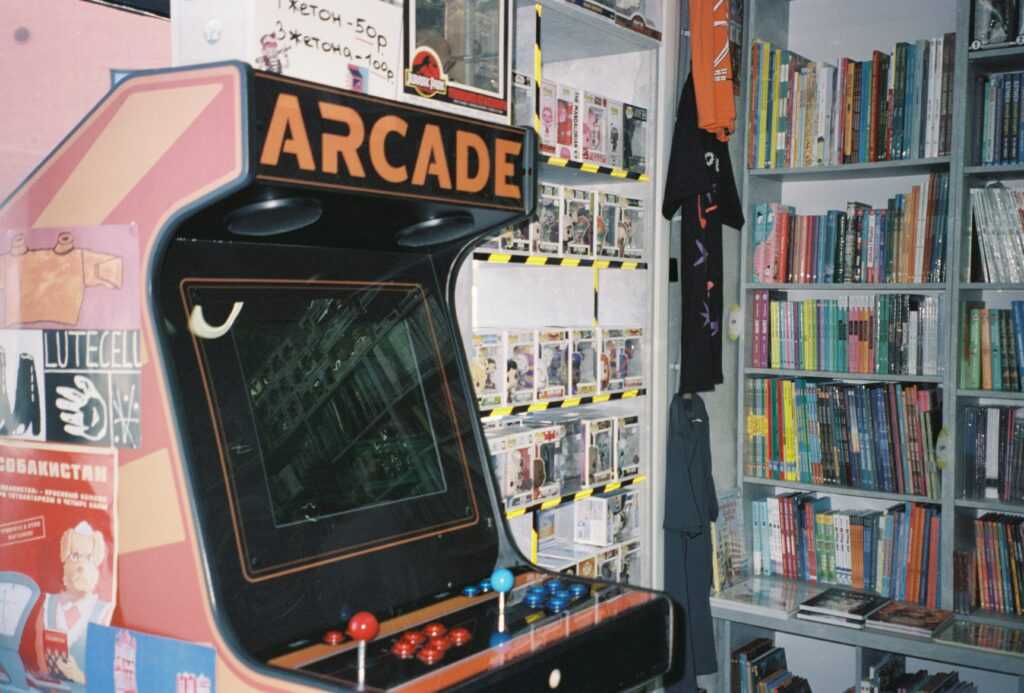
What’s Timeless About Classic Arcade Games
Classic arcade games may be decades old, but their charm hasn’t faded. In fact, the qualities that made them impossible to walk away from in the ’80s and ’90s are still pulling players in today.
Simple Mechanics, Endless Replayability
One of the defining traits of classic arcade games is their simplicity. Whether it’s shooting aliens, guiding a frog across a road, or dodging barrels, the mechanics are easy to understand but challenging to master.
Accessible controls mean anyone can pick up and play
Increasing difficulty keeps the experience engaging
High score goals and time limits create natural replay loops
That balance between ease of entry and tough progression ensures players keep coming back. It’s a style of gameplay that doesn’t rely on cutscenes or extensive tutorials it hooks you with action from the start.
Intuitive Gameplay Still Hooks New Generations
Despite the rise of complex, cinematic games, younger players are discovering the pull of arcade titles. The instinctual design one joystick, a few buttons, immediate feedback resonates in an era dominated by touchscreens and digital overload.
Instant gratification from fast paced gameplay
Tangible learning curve players feel themselves improving with each round
Uncluttered interfaces let the core fun shine through
Intuitive by nature, these games don’t need onboarding videos or strategy guides. They’re built to be played, not explained.
Nostalgia: More Than Just a Trend
While nostalgia undeniably fuels the resurgence of arcade games, it’s not the only reason they remain relevant. That bygone era taps into a universal sense of joy and curiosity:
A shared experience across generations
Simple pleasures that spark real world memories
A contrast to today’s hyper engineered, always online gaming
For those who lived through the golden age of arcades, playing these games again is like flipping through a photo album that responds to your every move. For new players, they offer a welcome break from today’s gaming complexity proof that fun doesn’t need high res textures or sprawling narratives.
Classic doesn’t mean outdated. In the world of arcade gaming, it means tested and timeless.
Physical Meets Digital: Retro Cabinets in Modern Spaces
Arcade machines didn’t die they just changed venues. Over the last few years, they’ve found new homes in places that weren’t even a thought back in the golden days. Think dimly lit arcade bars where adults sip craft beer under the glow of CRT screens. Think niche pockets in gaming expos where Gen Z lines up to play games their parents grew up on. Think living rooms outfitted with replica machines that double as decor and history.
But nostalgia isn’t the whole story. Many players have tried the digital ports clean, polished versions available on consoles or mobile apps. Convenient, sure. But for the purists, it’s not the same. Buttons feel different, reactions lag by milliseconds, and the sound? Too clean. The hum and clack of an original cabinet still carries weight. It’s about the environment, the tactility, the friction. That’s what players keep chasing.
Hybrid discovery is also pulling in new audiences. A kid finds Pac Man on a tablet, then sees it in real life at a pop up arcade truck. A streamer demos a modern emulator, sparking curiosity that leads viewers to seek out the physical version at retro cafes. It’s not just old fans looking back. It’s young gamers curious about where all this began and wanting to feel it for themselves.
Cultural Impact Keeps Growing

You don’t have to look far to see the fingerprints of classic arcade games all over today’s indie titles. Pixel art, chiptune soundtracks, and tight, stripped down controls didn’t disappear they evolved. Modern games like “Celeste”, “Shovel Knight”, and “Enter the Gungeon” aren’t copying arcades they’re building on their DNA. Soundtracks that hit hard with lo fi synths, simple yet striking character design, and moment to moment action that respects your time all trace back to the golden age.
There’s also a reason developers still study games from the ‘70s through the ‘90s. These were titles forced to do more with less: no cutscenes, no tutorials, just design. That pressure created elegant loops and visual clarity tools that developers still turn to when they want to make something people actually play and remember.
The cultural reach doesn’t stop at games. You’ll spot arcade aesthetics in animated series, music videos, and digital art exhibits. Film directors and motion designers know the emotional pull of retro cabinet visuals and the unmistakable rhythm of arcade music. Those beeps and bloops hit a nerve part nostalgia, part pure energy.
Classic arcades aren’t just shaping what we play, but how we see and hear the digital world.
Preserving Gaming History
Preservation isn’t just nostalgia it’s survival. Original arcade game code and physical cabinets carry the raw DNA of gaming history. When they vanish, so do the quirks, bugs, rhythms, and limitations that defined an era. Ports and emulations are helpful, sure, but they’re not the real thing. Authentic preservation means keeping that code intact, that CRT monitor flickering, that joystick stiff from a thousand plays.
Luckily, the community’s not letting these machines rust in silence. Across basements, garages, and digital forums, fans are cleaning, soldering, and sometimes rewriting firmware by hand. Restoration crews and preservation groups around the world are swapping ROMs, reverse engineering hardware, and documenting boot sequences. It’s serious work. No major corporation is funding this. It’s the passion of players who know what’s at stake.
In 2026, it’s easier than before to go beyond screenshots and YouTube playthroughs. You can get hands on with rare and iconic arcade titles at dedicated spots like the classic games library. It’s one of the few remaining places where the textures, sounds, and soul of classic games are still alive and still playable.
Timeless Gameplay, Modern Access
Classic arcade games are finding new life in unexpected places. Mobile platforms are bringing pixel perfect ports to your pocket. VR is turning 2D button mashers into immersive headspace brawls. Even cloud services are launching curated libraries that feel more like time machines than tech upgrades. The truth is, the format doesn’t need reinventing just re framing. And platforms know it. They’re betting on the idea that timeless design can thrive on cutting edge tech.
What’s surprising is who’s playing. Young gamers, swamped by sensory overload in modern titles, are actively choosing the slower pace and tighter mechanics of old school games. Reaction windows are tighter. Success depends on skill, not spending. These aren’t games that hold your hand they test your reflexes, demand practice, and pay off with pride. It’s discipline over dopamine, and that’s suddenly cool again.
If you’re after that no fluff gameplay that rewards patience and mastery, take a deep dive into the classic games library—where the past doesn’t just live, it levels up.
Legacy Isn’t Going Away
Modern games owe a lot more to their arcade ancestors than most people realize. Strip away the open worlds and photorealistic textures, and you’ll find that core gameplay loops tight feedback cycles, quick rewards, escalating challenges are still rooted in coin op DNA. Today’s best games are practiced at doing what arcade cabinets mastered: teaching players just enough to not quit, then pushing them to chase mastery.
Classic arcade design was ruthless in its simplicity. You had seconds to grab someone’s attention and minutes to convince them to drop another quarter. That urgency forced developers to prioritize feel, pacing, and clarity. Fast forward to 2026, and those same principles show up in everything from mobile games to hardcore roguelikes. Even AAA titles build around escalating difficulty curves and twitch worthy controls that would feel right at home beside Galaga or Street Fighter II.
Most importantly, the arcade spirit wasn’t just about mechanisms it was about community. From sweaty palms at the high score screen to local legends swapping techniques, arcades created a culture of shared striving. Today, that same energy lives on in speedrun Twitch chats, fighting game tournaments, and online leaderboards. The tech looks different, but the heart is the same. We’re still trying to beat the machine and each other.

 Christophere Goldenovelino is the kind of writer who genuinely cannot publish something without checking it twice. Maybe three times. They came to latest gaming news through years of hands-on work rather than theory, which means the things they writes about — Latest Gaming News, Esports Events and Highlights, Gaming Strategies and Tips, among other areas — are things they has actually tested, questioned, and revised opinions on more than once.
That shows in the work. Christophere's pieces tend to go a level deeper than most. Not in a way that becomes unreadable, but in a way that makes you realize you'd been missing something important. They has a habit of finding the detail that everybody else glosses over and making it the center of the story — which sounds simple, but takes a rare combination of curiosity and patience to pull off consistently. The writing never feels rushed. It feels like someone who sat with the subject long enough to actually understand it.
Outside of specific topics, what Christophere cares about most is whether the reader walks away with something useful. Not impressed. Not entertained. Useful. That's a harder bar to clear than it sounds, and they clears it more often than not — which is why readers tend to remember Christophere's articles long after they've forgotten the headline.
Christophere Goldenovelino is the kind of writer who genuinely cannot publish something without checking it twice. Maybe three times. They came to latest gaming news through years of hands-on work rather than theory, which means the things they writes about — Latest Gaming News, Esports Events and Highlights, Gaming Strategies and Tips, among other areas — are things they has actually tested, questioned, and revised opinions on more than once.
That shows in the work. Christophere's pieces tend to go a level deeper than most. Not in a way that becomes unreadable, but in a way that makes you realize you'd been missing something important. They has a habit of finding the detail that everybody else glosses over and making it the center of the story — which sounds simple, but takes a rare combination of curiosity and patience to pull off consistently. The writing never feels rushed. It feels like someone who sat with the subject long enough to actually understand it.
Outside of specific topics, what Christophere cares about most is whether the reader walks away with something useful. Not impressed. Not entertained. Useful. That's a harder bar to clear than it sounds, and they clears it more often than not — which is why readers tend to remember Christophere's articles long after they've forgotten the headline.