
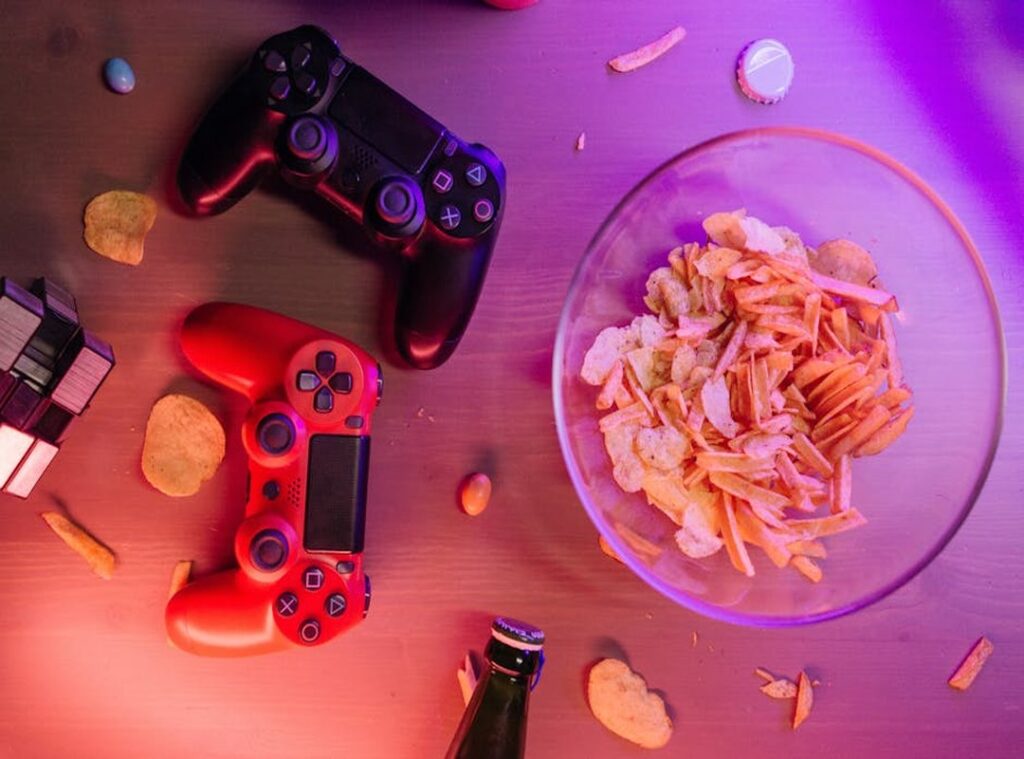
You’ve been there.
Staring at the screen. Fingers on the controller. World outside gone quiet.
That focus isn’t accidental. That laugh with your friend during co-op? Not just noise.
I’ve watched people play for twenty years. Not from a lab. Not behind a desk.
Sitting next to them. Playing with them. Losing with them.
I’ve seen teens solve puzzles they couldn’t crack in math class. Watch retirees bond over raids. See parents finally relax after a brutal workweek.
Not because the game is easy, but because it fits.
This isn’t about defending gaming. Or shaming it.
It’s about answering the question you’re already asking: Why does this feel so real? So necessary?
Most articles treat gaming like a problem to fix or a trend to exploit. This one doesn’t.
I’m not here to tell you it’s “good” or “bad.” You already know how it makes you feel.
What you need is clarity. Not judgment.
So let’s talk about what actually happens in your brain, your relationships, your mood (when) you press start.
You’ll walk away understanding Why Gaming Is Fun Scookiegeek.
Not as a slogan. Not as a debate. As a fact you recognize in your own life.
Why Games Stick: Autonomy, Competence, Relatedness
I used to think games were just distraction. Then I watched someone spend 47 hours learning one drum pattern in Beat Saber. That’s not escapism.
That’s competence.
Games are built around self-determination theory. Not as a buzzword. As code.
As level design. As reward timing.
Autonomy means real choice (not) illusionary branching paths that all lead to the same cutscene. It’s Breath of the Wild letting you climb that mountain instead of walking around it. Or ignoring the main quest for three days to cook suspicious elixirs.
Competence is feedback you can trust. Miss the note in Crypt of the NecroDancer? You die.
Hit it? Sound, light, rhythm. All snap into place.
Your brain goes oh, I did that.
Relatedness isn’t just chat spam. It’s calling out “pull left!” in a Destiny 2 raid and having three people move at the same time. No script.
Just shared stakes.
Watching a streamer play Elden Ring feels good. Playing it? Different dopamine hit.
One is passive. The other is you making the jump, taking the risk, failing, trying again.
That’s why Scookiegeek spends so much time dissecting how games hook us (not) just what they look like.
Passive media asks nothing of you. Games demand attention, then reward it instantly.
Why Gaming Is Fun Scookiegeek? It’s not magic. It’s design that respects your agency.
You don’t need to “get better at life” to enjoy this. You just need to press start.
And then decide (do) I fight the boss now? Or go pet the dog? (Yes, there’s always a dog.)
The Social Architecture of Play: How Games Build Real Bonds
I’ve watched people play Among Us without voice chat (and) still feel like they’re in the same room.
Shared objectives force cooperation. You vote. You lie.
You watch someone’s cursor hover over you. That tension builds trust faster than most first dates. (Which, let’s be real, are also full of lies.)
Stardew Valley co-op isn’t about who farms fastest. It’s about showing up Tuesday at 8 p.m. to water crops together, even if one person logs in late and just sits on a bench watching. No pressure.
I go into much more detail on this in New Game Updates Scookiegeek.
Minecraft servers? They’re not digital sandboxes. They’re legacy-building machines.
No small talk required. Just presence.
I’ve seen the same group run a single server for seven years (through) college, breakups, job changes. The world resets. The players don’t.
Why does this work when “real-world” meetups flop? Because games lower the stakes. You’re not showing up as you.
You’re showing up as “the guy who always builds the rail system” or “the one who names all the chickens.” Less identity, less anxiety. More room to breathe.
That continuity matters more than the game itself. People return to the same Discord. Same server.
Same pixelated farm. Not for the code, but for the quiet certainty of being known.
Does that sound weird? Maybe. But try explaining why your brain lights up when your friend’s character walks into frame in Stardew.
And then tell me it’s not real.
This is why gaming is fun. Not just distraction. Not just escape.
It’s belonging, coded.
Flow States and Cognitive Rewards: When Time Disappears

I’ve lost entire Saturday mornings to Stardew Valley. Not because it’s hard. Because I’m in it.
Mihaly Csikszentmihalyi said flow needs three things: clear goals, immediate feedback, and challenge-skill balance.
Quest logs give clear goals. Combo counters flash instant feedback. Adaptive difficulty keeps you on the edge (not) drowning, not bored.
That’s why games nail flow more than knitting or chess clubs. They pace themselves. They reward tiny wins.
They turn failure into data (not) shame.
Ever sprint up a hill, lungs burning, then hit that runner’s high? Same dopamine surge as landing the final hit on Ornstein and Smough.
It’s not about difficulty. It’s about intention lining up with action. Second after second.
Cozy games prove this. Animal Crossing doesn’t test reflexes. It tests attention. You plant, you wait, you harvest (and) your brain says yes, this matters.
Why do we chase that feeling? Because real life rarely gives clean loops. No quest markers.
No XP bars. Just emails and grocery lists.
That’s why New Game Updates Scookiegeek matters right now. Fresh loops, fresh rhythms, new ways to drop in and disappear.
Why Gaming Is Fun Scookiegeek isn’t magic. It’s design that respects your attention.
And respects your time. (Mostly.)
Narrative Agency: Why Choice Feels Like Breathing
I don’t just watch stories. I do them.
That’s the difference between film and games. One tells you what happens, the other asks who you are while it happens.
Branching dialogue isn’t a gimmick. It’s pressure. You pick a line, and your stomach drops because you know that tone will echo three hours later.
Red Dead Redemption 2 doesn’t track honor to punish you (it) tracks how you behave, then shows you the consequences in how strangers look at you, how your horse trusts you, how Arthur coughs harder after a lie.
Moral systems? They’re not scoreboards. They’re mirrors.
Your brain remembers decisions better than outcomes. That’s neuroscience. Not opinion.
When you choose, your hippocampus lights up like a switchboard. When you watch? It idles.
Replayability isn’t about more content. It’s about asking: Who was I last time? And do I want to be that person again?
Some people say games aren’t real storytelling. (They haven’t played Disco Elysium.)
Others say choice breaks immersion. (They’ve never held their breath before clicking “shoot” or “lower weapon.”)
I call that narrative agency.
It’s why you remember your first betrayal in Mass Effect more than your third movie plot twist.
Why Gaming Is Fun Scookiegeek isn’t about graphics or speed. It’s about ownership of consequence.
If your PC can’t handle that weight, none of it matters. Which Gaming Pc is the first real choice you’ll make.
Play With Purpose Starts Now
I know what you’re thinking.
Why does this game hook me while that one bores me in five minutes?
It’s not luck. It’s not just graphics or hype. It’s psychology.
It’s design. It’s you.
You don’t need another list of “top games to try.”
You need to stop scrolling and ask one thing before your next session:
What need is this meeting right now?
Connection? Mastery? Rest?
Creativity?
That question changes everything.
Most people play to escape.
You can play to arrive.
Why Gaming Is Fun Scookiegeek isn’t about fun as distraction.
It’s about fun as signal.
Your intent was clear.
You wanted meaning. Not just minutes.
So pause. Breathe. Ask the question.
Then pick the game that answers it.
That’s how you stop chasing fun (and) start finding it.
