
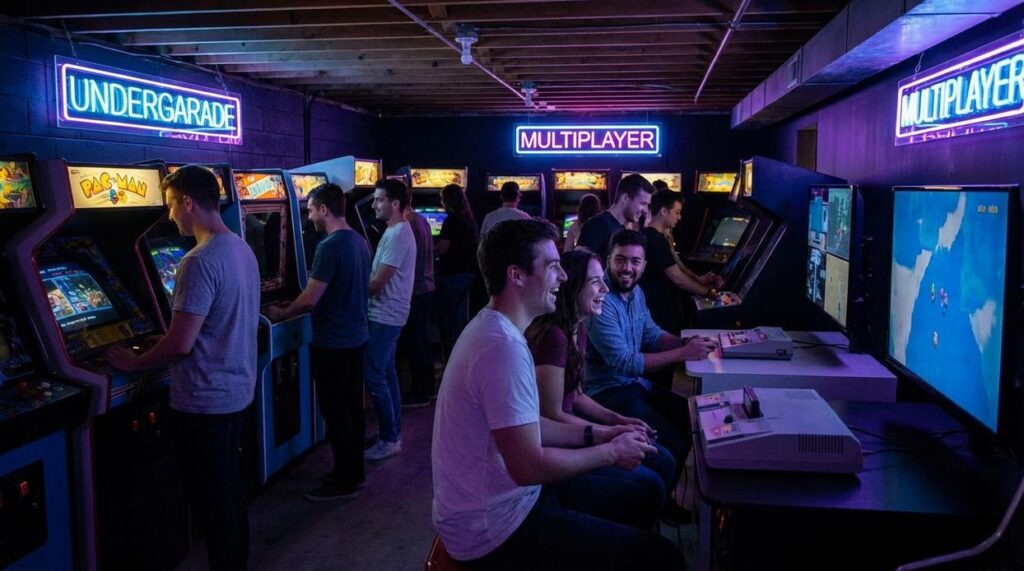
I miss the arcade.
Not the games themselves. You can play those anywhere now. I miss the feeling of someone sitting next to you, talking trash while a crowd watches over your shoulder.
That’s what gets lost when you’re grinding alone at home. The energy. The competition that matters because people are actually watching.
Here’s the thing: you can get some of that back online. Not all of it, but enough to make it feel real again.
I’ve spent years testing multiplayer platforms that cater to the underground arcade and fighting game scene. The ones that actually care about netcode. The ones where you can find people who take this seriously.
undergarcade multiplayer exists because we know what matters. Flawless connections. Real competition. A community that gets it.
This guide breaks down the platforms worth your time. I’ll walk you through the pros and cons of each one, what the setup looks like, and which communities are actually active.
We tested these platforms for hundreds of hours. We talked to players who live this stuff. We know which ones deliver on their promises and which ones just waste your time.
You’ll learn exactly where to find the competition you’re looking for and how to set yourself up for matches that feel as close to the arcade as you can get from your couch.
No fluff. Just the platforms that work.
What Makes a Great Online Arcade Platform?
You boot up your favorite fighter. Find a match. And then the lag hits.
Your inputs feel like they’re traveling through molasses. That perfect combo you practiced for hours? Impossible to land.
This is why most online arcade platforms fall flat.
They think matchmaking is just about pairing you with another player. But that’s only half the battle. The real question is whether you can actually play the game the way it was meant to be played.
The One Thing You Can’t Compromise On
Let me be clear about something.
If a platform doesn’t have rollback netcode, it’s not worth your time. Period.
I’m talking about GGPO or something equivalent. This isn’t some nice-to-have feature. It’s the difference between a playable experience and a slideshow.
Here’s what rollback does. Instead of waiting for your opponent’s input to reach you (which creates that awful delay), it predicts what they’ll do and adjusts if it guessed wrong. The result? Matches that feel almost identical to sitting next to someone on the same cabinet.
Traditional delay-based netcode makes you input your moves early to compensate for lag. That’s not how you learned to play. Rollback lets you play like you’re offline.
Some people argue that delay-based netcode is fine if both players have good connections. But that’s the problem right there. You’re always one bad connection away from a terrible match.
With undergarcade multiplayer features, you need systems that work even when conditions aren’t perfect.
Building Something That Lasts
Good netcode gets you in the door. But what keeps you coming back?
Community features. The stuff that makes undergarcade platforms feel alive.
You need proper lobbies where you can hang out between matches. Spectator modes so you can watch high-level players and learn. Ranked ladders for when you want to test yourself. Casual rooms for when you just want to mess around without stakes.
These aren’t extras. They’re what separate a platform from a glorified matchmaking service.
Think about your local arcade back in the day (or the ones still around). You didn’t just play. You watched. You learned. You talked trash. You made friends.
That’s what we’re trying to recreate online.
The Games Actually Matter
And here’s something platforms get wrong all the time.
They focus on the big names and ignore everything else. But arcade fans don’t just play Street Fighter. We love the weird stuff. The obscure shooters. The games that never left Japan.
A great platform needs to support what the community actually wants to play. Not just what’s popular. And it needs to run those games right. No shortcuts. No compromises on accuracy.
Because if the game doesn’t feel like the original? You’ve already lost.
The King of the Ring: A Deep Dive into Fightcade
You want to play Street Fighter III: 3rd Strike online right now.
Not the remaster. Not the modern port with added input lag. The actual arcade version that still gets played in Japanese game centers.
Fightcade is how you do it.
It’s the platform that turned classic arcade games into living, breathing online communities. We’re talking about the same games that came out when I was a kid, now playable against someone in Tokyo with better netcode than most games released last year.
Yeah, you read that right.
What Makes Fightcade Different
Most retro gaming platforms are nostalgia trips. You boot up an old game, remember the good times, and quit after twenty minutes.
Fightcade isn’t that.
It’s built around GGPO rollback netcode. If you’ve never heard of GGPO, here’s what matters: it predicts what your opponent will do next and corrects itself so fast you never notice. The result? Games from 1994 feel more responsive online than some fighters that came out last month.
I’ve played Street Fighter Alpha 3 matches against players in South America from my setup in Shoreview. The connection felt better than local wireless play on my Switch.
That’s not an exaggeration. That’s just what good netcode does.
The Library Nobody Else Has
Here’s where Fightcade really separates itself.
The game library is massive. Every Street Fighter from the arcade era. The entire King of Fighters series (including the deep cuts nobody else remembers). Darkstalkers. Marvel vs Capcom. Puzzle fighters like Super Puzzle Fighter II Turbo.
Even the beat ’em ups are there. Final Fight, Cadillacs and Dinosaurs, The Punisher.
You know that mobile update undergarcade coverage everyone’s been reading? Fightcade is what we’re all comparing those experiences to. Because when you’ve played the originals with proper netcode, you notice what’s missing everywhere else.
The Community That Keeps It Alive
Walk into a Fightcade lobby and you’ll see what I mean.
Players from every skill level. Beginners learning their first combos. Tournament veterans grinding matchups. The chat moves fast and people actually respond when you ask for games.
You can challenge anyone with a single click. No friend codes. No matchmaking algorithms deciding who you fight. Just you, them, and whoever accepts first.
The skill ceiling in games like 3rd Strike or undergarcade multiplayer sessions? It’s high. Really high. You’ll get destroyed at first. But that’s part of it. You learn fast when you’re playing against people who’ve been perfecting their Chun-Li for two decades.
The Setup Situation
I need to be straight with you about something.
You have to provide your own ROMs. Fightcade doesn’t include the games. It’s a legal gray area that the platform handles by making you source the files yourself.
For some people, that’s a dealbreaker. For others, it’s just five minutes of searching.
The initial setup can trip up newcomers too. You’re configuring an emulator, mapping controls, and adjusting settings. It’s not plug and play like firing up a console. But once you’ve done it once, you’re set.
Is it worth the hassle?
If you care about playing classic fighters the way they were meant to be played, absolutely. If you just want casual nostalgia, maybe stick with the official ports.
But if you want the real thing? Fightcade is still king.
The Versatile Challenger: Using Parsec for Any Game
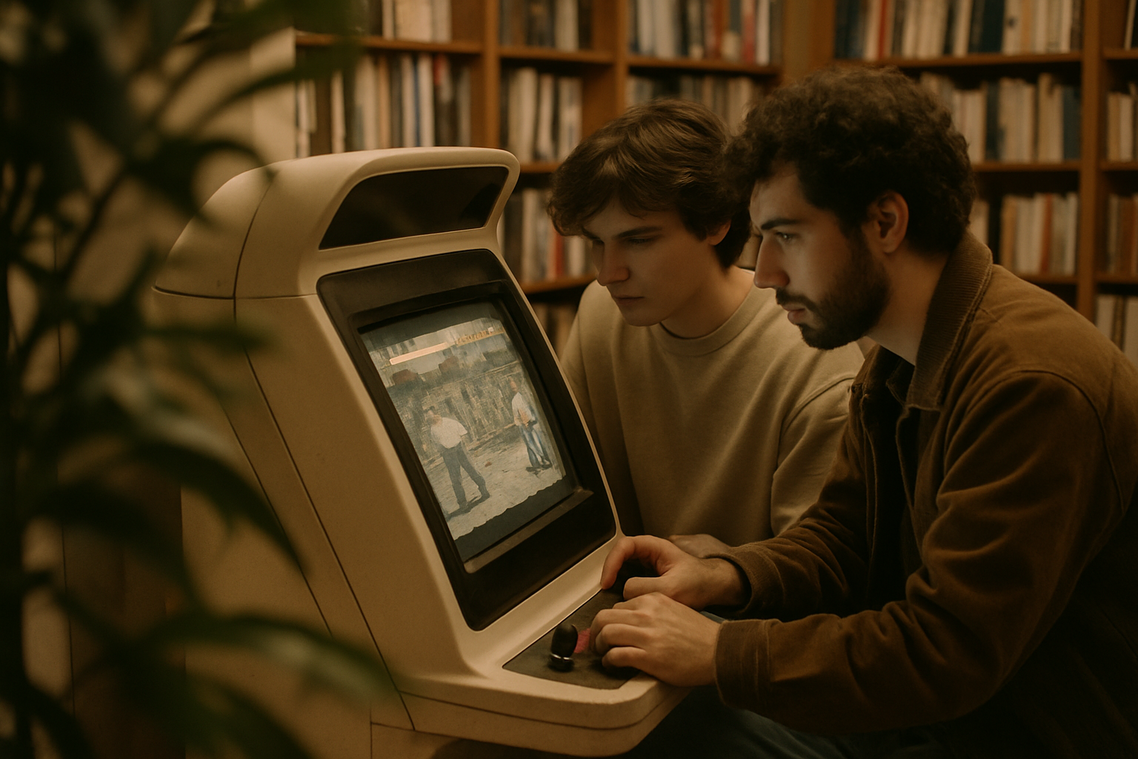
Most people think Parsec is just another way to play fighting games online.
They’re wrong.
Here’s what Parsec actually is. It’s a remote desktop tool that happens to be perfect for gaming. Not a matchmaking service. Not a game launcher. Just a really good way to share your screen with friends who want to play.
And that changes everything.
Why Parsec Works Differently
When you use Parsec, one person runs the game on their PC. Could be a modern indie title. Could be an emulator running Streets of Rage 2. Doesn’t matter.
Your friends connect to your screen like they’re sitting next to you on the couch. Full controller support. Low latency (if your connection is decent). It feels local even when you’re states apart.
The best part? It works with any game on your PC.
Fightcade has its place for classic fighters. But what about that co-op beat ’em up that never got online support? What about undergarcade multiplayer sessions where you want to run something specific that no platform supports?
That’s where Parsec shines.
I’ve used it for everything from Cuphead to obscure arcade ports that would never work anywhere else. If it runs on your computer, you can share it.
When You Should Use It
Parsec makes sense when you’re playing with people you know. Friends who want to tackle a game together without being in the same room.
It’s not for finding random opponents. You won’t hop on and match with strangers. This is a closed session tool.
Think co-op campaigns. Think local multiplayer games that deserve a second life. Think about that one arcade gem your buddy has been begging you to try.
But here’s the catch.
Everything depends on the host. If your PC struggles to run the game, everyone suffers. If your upload speed is weak, the experience falls apart.
You need decent hardware and a solid internet connection. Otherwise you’re just frustrating everyone involved.
The person hosting carries the whole session on their shoulders. That’s not a flaw. That’s just how it works.
Other Contenders in the Arena
Look, Fightcade isn’t your only option.
Some people will tell you it’s the ONLY way to play retro fighters online. That nothing else comes close.
But that’s not the full picture.
I’ve tested pretty much every platform out there. And while Fightcade dominates the competitive scene, these alternatives have their place depending on what you actually need.
Antstream Arcade is the legal route. It’s a subscription service that streams retro games straight to your device through the cloud. No ROM hunting. No legal gray areas. Just pick a game and play.
The licensing is legit and setup takes maybe five minutes.
But here’s the catch. You’re paying monthly for access. And because everything runs through cloud streaming, you’ll deal with input lag. For casual play? Fine. For competitive fighting games where frames matter? Not ideal.
RedGGPO is the newcomer that caught my attention. It runs entirely in your browser. No downloads. No config files. You literally just open a webpage and start playing undergarcade multiplayer sessions.
The library is growing fast and the accessibility is unmatched. If you’ve ever struggled through a Fightcade setup (and let’s be honest, we all have), RedGGPO feels like a breath of fresh air. I’m watching this one closely because it could pull in players who gave up on more complex options.
Steam Remote Play Together is different. It lets you share local multiplayer games from your Steam library with friends online. If you already own the games, there’s no extra cost.
It works great for supported titles and the convenience factor is real.
But the fighting game community doesn’t really use it for serious play. The feature wasn’t built with frame-perfect inputs in mind. It’s more party games than tournament prep.
Want to learn more about setting these up? Check out our tutorials undergarcade section for step-by-step guides.
Each platform fills a different need. Antstream for legal peace of mind. RedGGPO for zero-hassle browser play. Steam Remote Play for casual sessions with Steam friends.
None of them replace Fightcade for SERIOUS competitive play. But dismissing them entirely? That’s missing the point of what they actually offer.
Your Digital Arcade Awaits
You came here looking for a way to play classic arcade games online without dealing with lag or playing solo.
I get it. These competitive games were built for the arcade experience. Playing them alone at home just isn’t the same.
Here’s the good news: the arcade community is thriving online right now.
You’ve got two solid options depending on what you need. Fightcade gives you a massive community and netcode that actually works for the classics. If you want more flexibility with any PC game and prefer playing with your own crew, Parsec has you covered.
The spirit of the arcade never died. It just moved online.
undergarcade multiplayer connects you with players who care about these games as much as you do. No more practicing combos against the AI while wondering if you’re any good.
Pick your platform and get your controls dialed in. Then jump into a match.
Your digital quarter is ready to drop. Homepage.
