
I’ve been in the textile arts and design world for years, and I know how challenging it can be to create visually appealing and cohesive designs with colorful stitches. You might have tried a few times and ended up with something that just doesn’t look right.
This article is here to help. We’ll dive into the vibrant world of stitch de colorat and show you how to make your designs stand out.
You don’t need to be a professional to get started. With the right techniques and a bit of practice, anyone can create stunning and unique designs.
So, let’s get into it. What if you could turn your next project into a masterpiece? That’s what we’re aiming for.
Understanding Color Theory in Stitching
Color theory is a big deal, especially when it comes to stitching. It can make or break your design.
Let’s start with the basics, and primary colors are red, blue, and yellow. These are the building blocks.
Secondary colors—green, orange, and purple—are made by mixing two primary colors. Tertiary colors come from mixing a primary and a secondary color. Simple, right?
Now, how do these colors interact? Well, they blend and clash in ways that can either enhance or detract from your design. It’s all about balance.
Moving on to color harmony, and this is where things get interesting. Complementary colors are opposite each other on the color wheel.
Think red and green. They create high contrast and can really make your design pop. Analogous colors are next to each other on the wheel, like blue, blue-green, and green.
They create a smooth, harmonious look. Triadic colors are evenly spaced around the wheel, like red, yellow, and blue. These can add a vibrant, balanced feel to your work.
So, how do you choose a color palette that works? Here are some practical tips:
- Start with a base color. Pick one that you love and build from there.
- Add a complementary color. This will add contrast and make your design stand out.
- Incorporate analogous colors. These will give your design a cohesive, natural flow.
Remember, stich stitch de colorat is all about using colors that enhance your design and create visual interest. Experiment and see what works best for you. After all, the best way to learn is by doing.
Essential Tools and Materials for Colorful Stitching
When it comes to colorful stitching, the right tools and materials can make or break your project. Let’s dive into what you need.
Thread Selection: Types of threads (cotton, silk, wool) and their characteristics.
Choosing the right thread is crucial. Cotton is a go-to for most projects because it’s durable and easy to work with. Silk adds a luxurious feel and shine, perfect for special pieces.
Wool, on the other hand, gives a rich, textured look, especially in embroidery.
Needles: Choosing the right needle size and type for different fabrics and thread weights.
The right needle can make your stitching experience a lot smoother. For cotton and lightweight fabrics, a sharp, fine needle works best. If you’re using heavier fabrics like denim, a thicker, stronger needle is essential.
I once had a friend who used a too-thin needle on thick fabric, and it kept breaking. Frustrating, right?
Fabric Choices: How to select the appropriate fabric for your stitching project, considering texture and color.
Picking the right fabric is key. You want something that complements your thread and design. Smooth fabrics like cotton and linen are great for detailed work.
Textured fabrics, such as burlap, add a rustic charm but can be trickier to stitch.
One time, I was working on a stich stitch de colorat project, and the fabric I chose was too flimsy. It didn’t hold the stitches well, and the whole thing looked sloppy. Lesson learned: always test your fabric first.
Remember, the best way to get a feel for these materials is to experiment. Try out different combinations and see what works for you. Happy stitching!
Basic Techniques for Colorful Stitching
Stitch Types: Chain stitch, satin stitch, and cross-stitch are the big three. Chain stitch is great for outlines and adding texture. Satin stitch gives a smooth, shiny finish, perfect for filling in areas.
Cross-stitch is all about precision and detail, making it ideal for patterns.
Blending Colors: To create depth and dimension, you need to blend and shade. Think of it like painting with a brush. Use different shades of the same color to add highlights and shadows.
It’s like how they do makeup in movies—layering colors to make something look more real.
Pattern Transfer: Getting your design onto the fabric is the first step. You can use tracing paper, iron-on transfers, or water-soluble pens. Tracing is simple and works well for basic designs.
Iron-on transfers are quick and easy, especially for complex patterns. Water-soluble pens are great for detailed work because you can wash them off later.
Chain stitch, satin stitch, and cross-stitch, and tracing, iron-on transfers, and water-soluble pens.
stich stitch de colorat is a technique that brings your embroidery to life. It’s all about using the right stitches and colors to make your design pop.
Creating Unique Designs with Colorful Stitches
Inspiration Sources
Finding inspiration from nature, art, and other cultural elements can be a game-changer. I remember the first time I saw a vibrant sunset over the lake in Shoreview. The colors were so vivid and layered, it sparked an idea for a new design.
Design Planning
Sketching and planning your design is crucial. I always start with a rough sketch, noting where I want to place different colors and stitch types. It’s like mapping out a journey, but with thread and fabric.
(Sometimes, I even use colored pencils to get a better feel for the final look.)
Customization
Adding personal touches and unique elements makes your design stand out. One of my favorite techniques is stich stitch de colorat. It adds a pop of color and texture that really catches the eye.
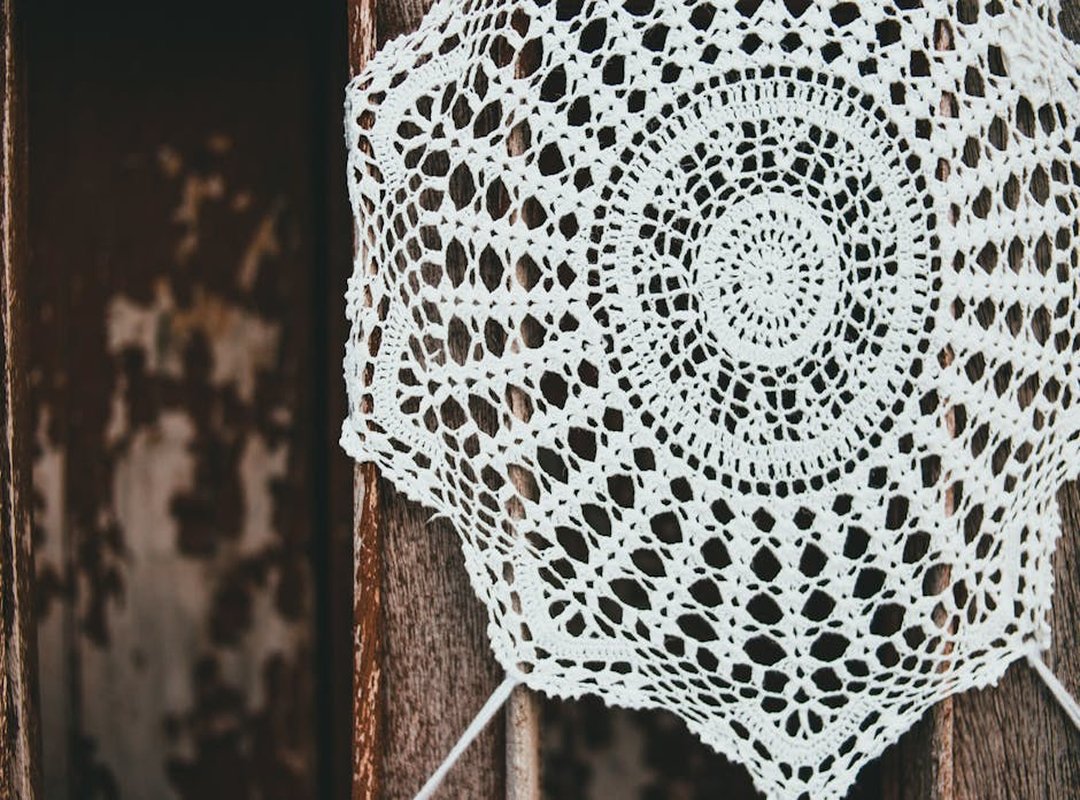
You can also experiment with different textures and materials. Maybe add a bit of lace or a shiny bead. (Just make sure it doesn’t overwhelm the overall design.)
Making your design unique is all about small, thoughtful details. And don’t forget, sometimes the best ideas come when you least expect them. So, keep an open mind and stay curious.
If you’re looking for more creative inspiration, read more about esports stars of the arcade world rising players to watch.
Advanced Techniques for Colorful Stitching
Some folks might say that sticking to basic stitches is the way to go. They argue it’s simpler and less likely to mess up. Sure, there’s something to be said for keeping it simple.
But let’s face it, a little creativity can take your work from good to great.
-
Layering and Texture:
Using different stitch lengths and densities to create texture and depth. This technique adds a three-dimensional feel to your projects, making them more engaging and visually appealing. -
Embroidery Floss Effects:
Utilizing variegated and metallic threads for added visual interest. These threads can add a shimmer or a gradient effect, giving your work a unique and eye-catching look. -
Mixed Media:
Incorporating beads, sequins, and other embellishments into your stitching. This can add a touch of elegance or a playful vibe, depending on what you’re going for.
Now, some might argue that these techniques are too complicated. They might say, “Why bother with all that when a simple stitch will do?” But here’s the deal. Simple stitches are great, but they can get boring.
Adding a bit of stich stitch de colorat or a few beads can transform a plain piece into something special.
Sure, it takes a bit more time and effort. But isn’t that what makes the final product so rewarding? You put in the extra work, and you get a piece that stands out.
Plus, it’s a lot of fun to experiment and see what you can come up with.
So, if you’re on the fence, give it a try. Start with a small project and see how it goes. You might just find that you love the results.
Tips for Perfecting Your Colorful Stitching Skills
Perfecting your colorful stitching skills takes PRACTICE AND PATIENCE. There’s no shortcut around it. You need to put in the time and not get frustrated when things don’t go as planned.
One of the best ways to improve is by SEEKING FEEDBACK from other stitchers. Join a local or online community where you can share your work. Don’t be afraid to ask for constructive criticism.
It’s how we grow.
Continuous learning is key, and stay updated with new trends and techniques. Maybe there’s a new stich stitch de colorat technique that’s all the rage.
Or perhaps a new type of thread that gives vibrant colors. Keep an open mind and try new things.
Pro tip: Document your progress. Take photos of your projects at different stages. This helps you see how far you’ve come and what areas still need work.
Remember, every master was once a beginner. So keep practicing, stay curious, and enjoy the journey.
Bringing Your Colorful Stitching Designs to Life
stich stitch de colorat is all about bringing vibrant and lively designs to life. Understanding color theory is key, as it helps in selecting the right hues that complement or contrast for a striking effect. Essential tools like embroidery floss, needles, and a hoop are your starting point.
Advanced techniques such as blending colors and using different stitches can add depth and texture to your work. Practice, experimentation, and continuous learning are crucial. These elements not only refine your skills but also help in creating unique and beautiful designs.
Start your own colorful stitching projects today. Share your creations with the community to inspire and be inspired.

 Christophere Goldenovelino is the kind of writer who genuinely cannot publish something without checking it twice. Maybe three times. They came to latest gaming news through years of hands-on work rather than theory, which means the things they writes about — Latest Gaming News, Esports Events and Highlights, Gaming Strategies and Tips, among other areas — are things they has actually tested, questioned, and revised opinions on more than once.
That shows in the work. Christophere's pieces tend to go a level deeper than most. Not in a way that becomes unreadable, but in a way that makes you realize you'd been missing something important. They has a habit of finding the detail that everybody else glosses over and making it the center of the story — which sounds simple, but takes a rare combination of curiosity and patience to pull off consistently. The writing never feels rushed. It feels like someone who sat with the subject long enough to actually understand it.
Outside of specific topics, what Christophere cares about most is whether the reader walks away with something useful. Not impressed. Not entertained. Useful. That's a harder bar to clear than it sounds, and they clears it more often than not — which is why readers tend to remember Christophere's articles long after they've forgotten the headline.
Christophere Goldenovelino is the kind of writer who genuinely cannot publish something without checking it twice. Maybe three times. They came to latest gaming news through years of hands-on work rather than theory, which means the things they writes about — Latest Gaming News, Esports Events and Highlights, Gaming Strategies and Tips, among other areas — are things they has actually tested, questioned, and revised opinions on more than once.
That shows in the work. Christophere's pieces tend to go a level deeper than most. Not in a way that becomes unreadable, but in a way that makes you realize you'd been missing something important. They has a habit of finding the detail that everybody else glosses over and making it the center of the story — which sounds simple, but takes a rare combination of curiosity and patience to pull off consistently. The writing never feels rushed. It feels like someone who sat with the subject long enough to actually understand it.
Outside of specific topics, what Christophere cares about most is whether the reader walks away with something useful. Not impressed. Not entertained. Useful. That's a harder bar to clear than it sounds, and they clears it more often than not — which is why readers tend to remember Christophere's articles long after they've forgotten the headline.