
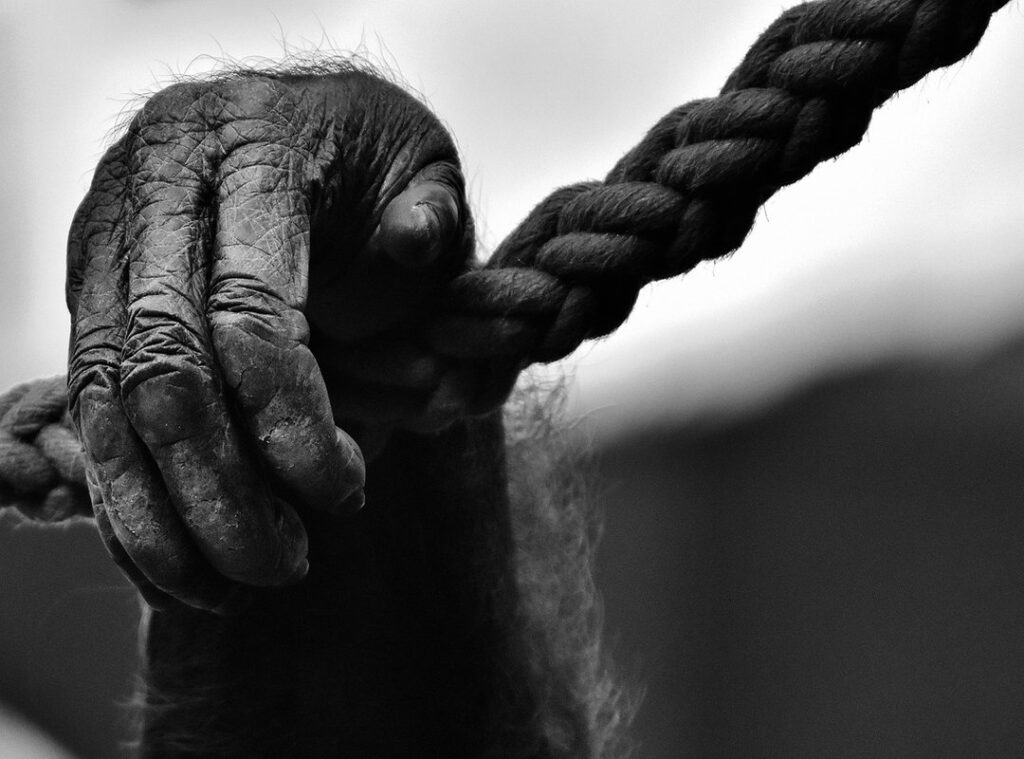
You’re here because you’ve heard of monyet tunjuk jari tengah and you’re curious. That phrase translates to “monkey showing the middle finger” in English. It’s a specific and intriguing term, isn’t it?
This often refers to a viral photo or meme that’s been making the rounds online. You might be wondering, can a monkey actually do that? I’ll explain what the phrase means, where the meme comes from, and the surprising truth behind whether a monkey can make this gesture intentionally.
Animals doing human-like things always pique our interest, don’t they?
Breaking Down the Meaning and Origin of the Meme
The middle finger gesture is a universal sign of insult or defiance. It’s been around for centuries, used across cultures to express frustration and disrespect.
Now, let’s talk about the ‘middle finger monkey’ photo. This image likely it was taken by a wildlife photographer who got lucky at a zoo. The exact location and time are a bit fuzzy, but it’s believed to be from a zoo in Southeast Asia.
How did this image go viral? It spread like wildfire on social media platforms like Reddit, Twitter, and Facebook. People found it hilarious and started sharing it everywhere.
The Malay phrase monyet tunjuk jari tengah became attached to the image. This phrase, which translates to “monkey showing the middle finger,” became the primary search term for the meme in certain regions.
Today, the meme is used as a humorous reaction image. It expresses frustration, defiance, or even apathy. You might see it in comment sections, text chains, or anywhere people share their feelings online.
- Use the meme wisely. It’s a powerful way to show your frustration.
- Don’t overuse it. Like any good joke, it loses its impact if you use it too much.
- Be mindful of the context. Not everyone might get the humor, so use it with the right audience.
The Science: Can a Monkey Actually ‘Flip the Bird’ on Purpose?
Was the monkey intentionally making an offensive gesture? I get this question a lot. Let’s dive in.
First, let’s talk about primate hands. They’re pretty similar to ours. Monkeys have opposable thumbs and flexible fingers.
This means they can make gestures that look human-like, even if they’re accidental.
Anthropomorphism is a big word for a simple idea. It’s when we see human traits in animals. We do it all the time.
We think our pets are smiling or feeling sad. Same goes for monkeys. We see a gesture and assume it has the same meaning as it does for us.
The most likely explanation? It’s a coincidence. The monkey was probably just grooming, stretching, or holding something.
Our brains are wired to find patterns, so we interpret random movements as intentional.
Mimicry is real in primates. They can copy what they see. But understanding the cultural meaning of a gesture like monyet tunjuk jari tengah? Undergarcade
That’s a stretch. They don’t get the human context.
Think of it like seeing a face in the clouds. Sometimes, shapes and movements just look familiar, but they don’t mean anything. Our brains are great at finding patterns, even where there aren’t any.
So, next time you see a monkey with its finger up, take a deep breath. It’s probably not flipping you off. Just another day in the life of a curious primate.
Famous Examples and Variations of the Meme
You’ve probably seen a few versions of the monyet tunjuk jari tengah meme. It’s pretty popular. One of the most well-known images is a picture of a capuchin monkey with its middle finger up.
People use it for humor, especially in light-hearted situations.
Another one that stands out is a video clip of a gorilla making the same gesture. This one often goes viral on social media. It’s used more for defiance, like when someone wants to express frustration or disagreement.
The meme has evolved over time. You’ll see edited versions with funny captions or even different animals. For example, there are versions with cats and dogs, too.
These edits keep the meme fresh and relatable.
What makes this meme so powerful? The simplicity and universal understanding of the gesture. From a human perspective, it’s clear what the gesture means.
That clarity makes it easy to share and understand across different cultures.
Other animals caught in seemingly human poses also go viral. Why? Because they’re relatable and funny.
We see a bit of ourselves in these moments, and that connection keeps us coming back for more.
What This Amusing Meme Teaches Us About Animal Behavior
The phrase monyet tunjuk jari tengah means ‘monkey showing the middle finger’ and has become a popular meme. It’s important to recognize that this gesture is almost certainly a coincidence, not an intentional act of defiance by the animal.
While it’s fun to imagine animals sharing our expressions, understanding their behavior from a scientific perspective is crucial. Appreciate the humor in the image, but also take a moment to reflect on the fascinating reality of animal behavior and how we perceive it.

 Christophere Goldenovelino is the kind of writer who genuinely cannot publish something without checking it twice. Maybe three times. They came to latest gaming news through years of hands-on work rather than theory, which means the things they writes about — Latest Gaming News, Esports Events and Highlights, Gaming Strategies and Tips, among other areas — are things they has actually tested, questioned, and revised opinions on more than once.
That shows in the work. Christophere's pieces tend to go a level deeper than most. Not in a way that becomes unreadable, but in a way that makes you realize you'd been missing something important. They has a habit of finding the detail that everybody else glosses over and making it the center of the story — which sounds simple, but takes a rare combination of curiosity and patience to pull off consistently. The writing never feels rushed. It feels like someone who sat with the subject long enough to actually understand it.
Outside of specific topics, what Christophere cares about most is whether the reader walks away with something useful. Not impressed. Not entertained. Useful. That's a harder bar to clear than it sounds, and they clears it more often than not — which is why readers tend to remember Christophere's articles long after they've forgotten the headline.
Christophere Goldenovelino is the kind of writer who genuinely cannot publish something without checking it twice. Maybe three times. They came to latest gaming news through years of hands-on work rather than theory, which means the things they writes about — Latest Gaming News, Esports Events and Highlights, Gaming Strategies and Tips, among other areas — are things they has actually tested, questioned, and revised opinions on more than once.
That shows in the work. Christophere's pieces tend to go a level deeper than most. Not in a way that becomes unreadable, but in a way that makes you realize you'd been missing something important. They has a habit of finding the detail that everybody else glosses over and making it the center of the story — which sounds simple, but takes a rare combination of curiosity and patience to pull off consistently. The writing never feels rushed. It feels like someone who sat with the subject long enough to actually understand it.
Outside of specific topics, what Christophere cares about most is whether the reader walks away with something useful. Not impressed. Not entertained. Useful. That's a harder bar to clear than it sounds, and they clears it more often than not — which is why readers tend to remember Christophere's articles long after they've forgotten the headline.