
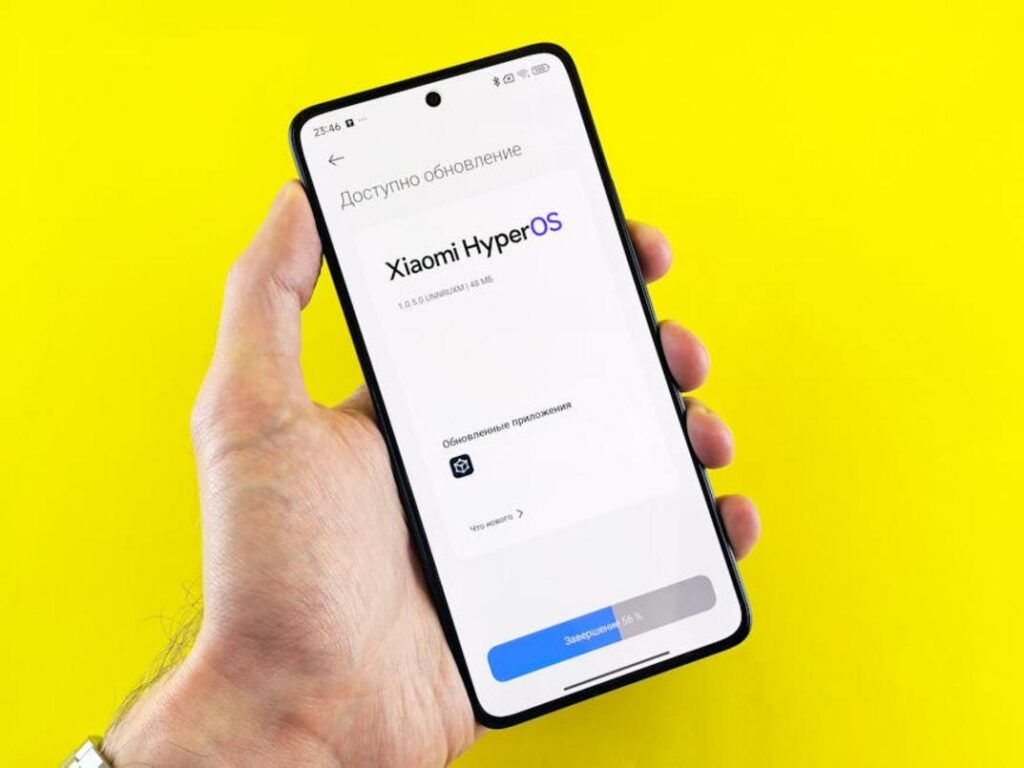
I never thought I’d see the day when my old arcade cabinet would run thousands of mobile games.
But here we are.
You’ve probably got a classic arcade machine sitting in your garage or game room. Maybe it still works. Maybe it doesn’t. Either way, it’s collecting dust because let’s be real, how many times can you play the same three games?
The kids don’t care about it. They’re glued to their phones.
Here’s the thing: you don’t have to choose between preserving that classic arcade feel and giving people games they actually want to play.
Mobile update undergarcade is happening right now. People are taking those beautiful old cabinets and turning them into machines that can run practically any mobile game you can think of.
I’m talking about real arcade controls. That satisfying click of buttons. The weight of a proper joystick. But with access to thousands of games instead of just a handful.
This guide shows you exactly how to do it. What hardware you need. Which software actually works. How to set up controls that feel right.
You’ll learn how to pick the right components and configure everything so your arcade machine becomes something people actually want to play again.
No guesswork. Just the specific steps to make it happen.
Why Bridge the Gap? The Power of Mobile-Arcade Hybrids
Ever walk into an arcade and feel like you’ve stepped back in time?
Don’t get me wrong. I love classic cabinets. But here’s what bugs me.
Why are we still playing the same games from 30 years ago?
Some people say that’s the whole point of arcades. They argue we should preserve the original experience and keep things authentic. That mobile games don’t belong in arcade spaces because they’re too casual or don’t have that same feel.
I hear that argument a lot.
But think about it. How many times can you play Pac-Man before you want something new? (And I say this as someone who genuinely loves Pac-Man.)
Mobile update undergarcade spaces are changing this conversation completely.
You get access to thousands of titles from the Google Play Store. Indie hits. AAA ports. Games that didn’t exist when traditional arcades were built.
The library never stops growing.
And here’s what really matters. You’re pulling in a whole new crowd. Mobile gamers who’ve never touched an arcade stick suddenly have a reason to show up. They see familiar titles on a bigger screen with better controls.
Modern features make the difference too. Online leaderboards that actually work. Player profiles you can track. Achievements that mean something beyond a high score that gets wiped at closing time.
For operators? You’re not stuck with coin drops anymore. Time-based play works. Premium game access works. You’ve got options that make sense for how people actually want to play today.
The question isn’t whether arcades should evolve.
It’s whether you want to be part of that evolution or watch from the sidelines.
Core Hardware Upgrades: The Brains of the Operation
Let me be straight with you.
Your hardware choice will make or break your mobile arcade cabinet. I’ve seen people drop hundreds on a beautiful build only to watch it stutter through basic games because they cheaped out on the brain.
Some builders insist you should start small with a Raspberry Pi and upgrade later. They say it’s the smart financial move. And sure, saving money sounds great.
But here’s what actually happens.
You build around a Pi. You get everything working. Then you try to run a modern 3D Android game and watch it chug along at 15 fps. Now you’re either stuck with a cabinet that can’t play half the games you want, or you’re rebuilding from scratch.
The Raspberry Pi 5 works if you know its limits. The community support is massive (probably the best you’ll find anywhere). Cost runs around $60 to $80. But demanding games? Forget it.
Android TV boxes sit in the middle. They run Android natively which means less tinkering. Most come with decent interfaces right out of the box. The problem is many manufacturers lock down the software. You might hit walls trying to customize things the way you want.
Then there’s the mini PC route.
A Beelink or Intel NUC changes everything. I run a Beelink in my main cabinet and it handles whatever I throw at it. Full Android OS. High-end mobile games run smooth. You can even do the latest mobile update undergarcade without breaking a sweat.
Yeah, you’ll spend $200 to $400. But you’re building once instead of twice.
Now let’s talk about your screen.
Most mobile games were designed for vertical displays. If you mount a standard horizontal monitor, half your library looks wrong. The solution? Get a monitor that rotates or use a rotating mount.
I went with a standard 24-inch monitor on a VESA rotating mount. Cost me an extra $30 but now I can switch between horizontal and vertical games in seconds.
Want the real mobile experience though?
Add a touchscreen.
You’ve got two options here. Capacitive overlays work like your phone screen. They’re responsive and support multi-touch. Infrared overlays use a grid of light beams. They’re more durable for arcade use but can be finicky with fast swipes.
For undergarcade style builds, I lean toward capacitive. The response time matters when you’re playing rhythm games or anything that needs precise timing.
Is it necessary? No. But once you’ve played a touch-based game the way it was meant to be played, going back to buttons feels off.
Software & Emulation: Bringing the Games to Life
Here’s where most guides get it wrong.
Everyone pushes you toward Linux setups with emulation layers. They say it’s the “proper” way to build an arcade cabinet. That you need RetroArch or Batocera to look legitimate.
I’m going to tell you something different.
Go with native Android.
Yeah, I know. That sounds too simple. People love to overcomplicate this stuff because it makes them feel like real builders. But after testing both approaches, the performance difference is obvious.
PrimeOS or LineageOS running directly on your hardware means your mobile games run exactly how they’re supposed to. No translation layers eating up resources. No weird compatibility issues three months down the road.
Sure, Linux with Waydroid looks cool on paper. You get that classic retro frontend everyone recognizes. But here’s what nobody mentions in those build threads: setup takes forever and half your games run choppy.
Is that really worth it just to feel like you did it the “right” way?
Now for your frontend launcher.
Daijishō on Android is what you want. It’s clean, it’s fast, and it makes your game library look professional without the bloat. You can customize everything and it actually works with touchscreen controls (which matters more than you’d think).
Windows users swear by LaunchBox and BigBox. They’re solid if you’re running a mini PC setup. But they’re overkill for most builds.
Getting your games is straightforward. The Google Play Store works perfectly on native Android builds. Just sign in and download what you want.
Side-loading APKs is an option too. You grab the installer file and manually install it. But be careful here. Only use trusted sources like APKMirror or APKPure. Random sites will absolutely load your system with garbage you don’t want.
Want to see the full build process? Check out the undergarcade tutorial guide by undergrowthgames for step-by-step instructions.
One more thing about the mobile update undergarcade approach. It keeps your system current without constant tinkering. Android handles updates automatically while Linux setups need manual maintenance.
Pro tip: Test your frontend with just five games first. Make sure everything runs smooth before you spend hours importing your entire library.
Controls & Interface: Merging Classic Feel with Modern Function
You know what drives me crazy?
Spending hours building the perfect arcade cabinet only to realize the controls feel off. The joystick’s too loose. The buttons stick. Or worse, you’re stuck with touch-screen controls that make you want to throw your phone across the room.
I’ve been there. And it’s frustrating as hell.
Most people think slapping a joystick and six buttons on a cabinet is good enough. They’ll tell you it’s “authentic” and that’s all you need. But here’s what they don’t mention: half the games you want to play weren’t designed for that setup.
Touch-screen games with virtual buttons? Good luck mapping those without pulling your hair out.
That’s why I go beyond the standard setup.
Hybrid control schemes let you map those annoying touch-only controls to physical buttons. Suddenly, games that felt impossible to play become actually enjoyable. You get that tactile feedback your fingers have been craving.
But it gets better.
Add Bluetooth and USB ports to your build. Now you can connect whatever controller you want. Xbox. PlayStation. Switch Pro. Whatever feels right in your hands. (This is especially great for undergarcade multiplayer sessions when everyone has their own preference.)
For those going all-in on commercial builds, NFC readers and QR code scanners open up new possibilities. Tap-to-pay systems. Player account linking. Promotional tracking. The kind of features that make mobile update undergarcade experiences feel seamless.
The point isn’t to overcomplicate things.
It’s about giving yourself options so you’re not stuck fighting with controls that weren’t meant for the games you actually want to play.
Building the Arcade of the Future, Today
You now have everything you need to make this happen.
We’ve covered the Mini PC specs, the Android OS options, and the frontend that ties it all together. You know what hardware works and what software makes sense.
I get it. The project looks complex when you see all the pieces laid out.
But here’s the thing: you’re just connecting dots. Pick a Mini PC with decent power. Install a native Android OS. Set up Daijishō as your frontend.
That’s your mobile update undergarcade.
Each step builds on the last one. You’re creating something that plays today’s games and adapts to tomorrow’s releases.
The best part? You’re not locked into one era or one type of game. Your cabinet becomes whatever you want it to be.
Start gathering your components now. Check the specs we talked about and order what fits your budget.
Your arcade will pull in retro fans who remember the glory days and younger players who grew up on mobile games. That’s a win you can’t ignore.
Time to stop planning and start building. Homepage.
