
Why the ’80s Never Left
You’ve seen them: neon soaked walls, pixelated text, synth lines punching through lo fi beats. The aesthetic of the ’80s isn’t just hanging on it’s charging back, and it’s everywhere. Vlog backgrounds. Fashion collabs. Entire YouTube channels built on tracking down forgotten arcade cabinets. This is more than marketing. It’s mood, identity, and storytelling rolled together.
At its core, the retro revival taps one thing: nostalgia. But this isn’t recycled sentimentality. Gen Z and Millennials many of whom never actually lived through the original arcade boom aren’t just copying the past. They’re reinterpreting it with intention. Neon isn’t random; it’s a vibe. Chiptune isn’t outdated; it’s a deliberate tone choice that contrasts today’s hyper polished audio. And pixel fonts? They’re coded rebellion against digital sameness.
Designers, vloggers, and indie game devs are blending analog grit with modern clarity. The result: spaces and content that feel warm, weird, and unmistakably human. It’s less about accuracy and more about essence. The buzz isn’t just about old games. It’s about tapping into a time when play felt physical, community driven, and above all fun.
Pixels, Cabinets, and Soundtracks
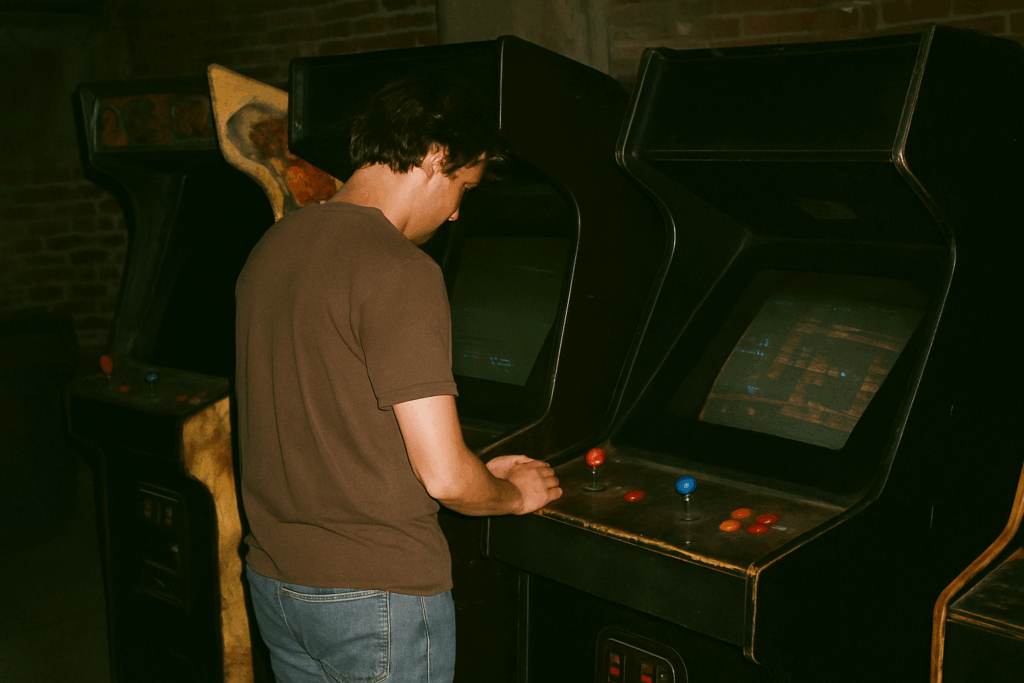
You know the feeling the second you walk in low lighting, warm CRT glow, the hum of a cabinet booting up. The texture of old joystick rubber, a whiff of dust and ozone, neon trim reflecting off glass arcades weren’t just places, they were sensory ecosystems. Vloggers and recreationists are leaning into the rawness of that experience. Visuals play hard into synthwave palettes and pixel perfect accuracy. From vaporwave murals to mismatched carpet patterns, every detail fights the clean minimalism of modern design.
Sound matters too. The sharp clink of a quarter hitting metal. Menu bleeps. The dry crunch of an 8 bit bassline sliding into a drum loop. Arcades had a rhythm, and the new wave is bringing it back without sterilizing it. Some creators are even sampling old SFX directly from hardware, keeping the imperfections.
Storytelling through these trips down memory lane isn’t subtle it’s visual narrative built on preservation. Instead of ‘retro inspired,’ many spaces aim to be historically accurate re creations. The goal? Transport, not simulation. Vloggers know that showing not telling the magic is what lands.
Beyond the Look: Social Experience
Retro arcades aren’t just about flashing lights and vintage machines they’re physical counterpoints to a digital world that rarely pauses. In an age where most interactions happen through screens, these spaces offer something grounding: an analog escape. You’re not scrolling here. You’re standing next to someone, jostling elbows, and sharing the same glowing screen.
Part of the appeal is competitive ritual. Fighting games, air hockey, time trials you win or lose, right there, with everyone seeing it. No lag, no usernames, no mute buttons. Just people, playing together. It brings back a sense of community that online multiplayer sometimes dilutes. We’re wired for face to face wins and losses, for shared reactions and high fives not just reactions in a chat box.
Group nostalgia also plays a role. It’s not just about the games. It’s remembering where you were when you first played them, or witnessing arcade culture for the first time through a modern lens. People keep coming back because it feels real. It’s tactile. And in a world that churns out endless digital content, returning to something familiar and physical feels like recovery.
The Undergarcade Movement
Undergarcade isn’t just another retro themed joint with a few dusty cabinets and synth tracks on loop. It’s a full on fusion lab, stitching together the analog charm of the ’80s with today’s design sensibilities. The venue walks a tightrope between nostalgia and now, and it does it deliberately.
The space itself is built like a scene from a better decade neon trim, blacklight carpets, and CRT monitors humming quietly in a darkened hall but its layout and user flow borrow from modern UX principles. Stations feel intentional. Machines are curated not just random Donkey Kong knockoffs picked for gameplay quality and fan devotion. There’s even a feedback loop with the local community, where players vote on which titles get rotated in or out.
Then there are the tournaments. Regularly held, often themed, and never half baked. We’re talking leaderboard tracking, live shoutcasting, and a crowd that shows up not just to play, but to watch. It’s part sport, part fandom, fully alive.
For those looking to plug into the scene not just for the pixelated hit of nostalgia but also the IRL camaraderie Undergarcade makes a strong case for going analog in a digital world. Here’s how to visit, and here’s the bottom line: if you’re spending tokens anywhere, make them count.
Digital Tech Meets Throwback Style
Today’s tech doesn’t just keep up with the classics it elevates them. Engineers and enthusiasts are running decades old games on modern machines with near perfect lag free accuracy. FPGA boards simulate original hardware down to the transistor level. SSDs load titles instantly. Monitors offer crisp upscaled visuals without washing out the pixel art. The result? Games from the ’80s and ’90s feel sharp, responsive, and somehow more vivid than ever.
But let’s be clear: no amount of fidelity replaces holding a real joystick or slapping actual buttons. There’s a physicality to arcade cabinets that emulators just can’t replicate. The hum of the machine, the weight of controls, the glow of side art in a dim room it’s part of the ritual. Without that, even the most rigorously preserved games can feel… sterile.
To push immersion without killing the retro magic, some arcades are experimenting with augmented reality. Think HUD overlays that show scores or multiplayer stats floating beside the cabinet, or interactive lighting tied to win streaks. When done right, AR amps the mood without stepping on the nostalgia. It’s not about replacing arcade culture it’s about future proofing it without losing the soul.
Nostalgia may have brought us back, but it’s the blend of old and new that’s making us stay.
Culture, Merch, and Economic Ripples
Arcades aren’t just buzzing with gameplay they’re part of a broader cultural fusion. Fashion brands, from niche streetwear labels to high profile collections, are leaning into throwback collabs. Think bomber jackets lined with Galaga graphics or capsule drops launched inside actual arcade halls. These aren’t gimmicks they’re tapping into cultural memory, and they’re connecting with younger crowds who value both the aesthetic and the story behind it.
Meanwhile, the merch space is exploding. Zines celebrating local arcade heroes, cassette style game guides, and vinyl soundtracks from indie developers are all finding their way onto shelves. These aren’t nostalgia for nostalgia’s sake people are investing in things they can hold, wear, and collect. Creators who package authentic arcade vibes are building loyal followings, and small retailers are thriving because of it.
The bigger picture? Arcades have reentered the cultural economy as hangout zones, photo sets, curated shops, and sometimes even micro venues. For small businesses, it’s not about the number of machines it’s the atmosphere. Craft beer on tap, artisan snacks, hand picked records spinning in the corner it’s all part of the draw. It’s where analog meets ambition, and more people want in.
Where It’s All Going
What started as flickers of nostalgia has grown into a steady glow. The arcade scene isn’t heading for another boom it’s settling into something more durable: niche, passionate, and built on real community. The fans showing up now aren’t in it for novelty. They’re in it for belonging. That’s what makes this wave sustainable.
Pop up arcades continue to gain traction, tapping into local flavor and giving people a reason to gather offline. Hybrid gaming cafes part coffee shop, part analog arena are cropping up in cities and mid sized towns alike. They don’t need massive foot traffic; they need core regulars, the kind who’ll drive across town for Friday night high scores or vinyl soundtrack drops.
Retro isn’t fading. It’s learning new tricks. Expect collaborations between indie devs and hardware modders. Expect experimental spaces that squeeze nostalgia and modern design into shoebox sized storefronts. Momentum isn’t in the mainstream it’s surfacing in newsletters, Discord servers, and late night project builds.
Want to see this shift in action? Visit Undergarcade and catch a glimpse of where the future of arcade culture is actually happening.
