
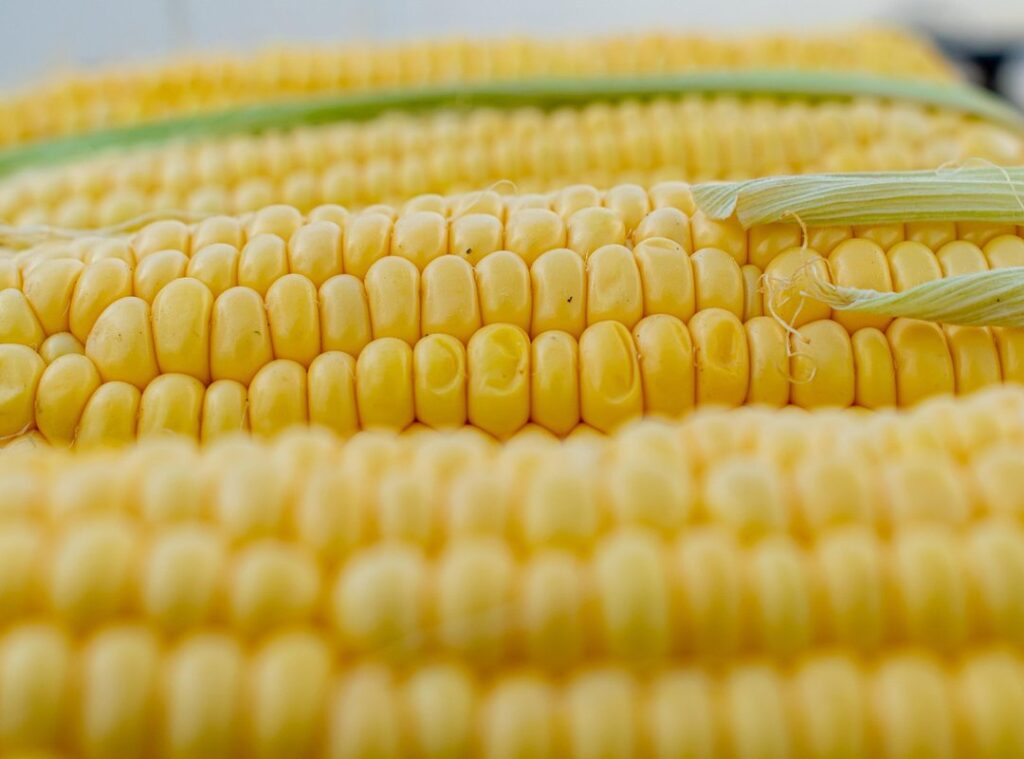
When you walk into corn flour coles, the choices can be overwhelming. You might wonder, which one is right for your recipe? I get it.
There are so many brands and types. It’s easy to feel lost.
I’ve been there too. But don’t worry. We’re going to break it down.
We’ll look at the pros and cons of each option. And by the end, you’ll know exactly what to pick. Trust me, it’s not as complicated as it seems.
So, let’s dive in and find the best corn flour for your needs.
Understanding Corn Flour: What It Is and How It’s Used
Corn flour is a fine, powdery flour made from dried corn. It’s different from other flours because it’s gluten-free, making it a great option for those with dietary restrictions.
Common Uses:
You can use corn flour in baking to add a light, airy texture. It’s also fantastic for thickening sauces and gravies without clumping. And let’s not forget, it makes a crispy batter for fried foods.
Underline the versatility here. You can use it in so many ways, from baking to frying.
corn flour coles is a popular choice for its smooth texture and binding properties. This makes it ideal for creating dishes that need a bit of extra hold, like pancakes or waffles.
Nutritional Benefits:
Corn flour is packed with nutrients. It’s rich in fiber, which helps with digestion. Plus, it’s a good source of vitamins and minerals, including iron and B vitamins.
Using corn flour can be a healthier alternative to traditional wheat flour, especially if you’re looking to cut back on gluten.
Pro Tip: Swap out some of your regular flour for corn flour in recipes to boost the nutritional value and add a unique flavor.
Top Picks: Best Corn Flour Brands at Coles
Finding the right corn flour can be a real hassle. You want something that’s good quality, but you also don’t want to break the bank. Let’s dive into the top three brands at Coles and see which one might be your best bet.
Brand 1: [Brand Name]
Pros:
– Consistent texture
– Great for baking and frying
– Affordable price point
Cons:
– Packaging isn’t resealable
– Can be a bit hard to find in some stores
Key Features:
– Gluten-free
– Non-GMO
Brand 2: [Brand Name]
Pros:
– High-quality, fine grind
– Versatile for various recipes
– Eco-friendly packaging
Cons:
– Slightly more expensive
– Smaller package size
Key Features:
– Organic
– No additives or preservatives
Brand 3: [Brand Name]
Pros:
– Large, value-sized packages
– Smooth and easy to mix
– Widely available
Cons:
– Not certified organic
– Texture can be a bit coarse
Key Features:
– Fortified with vitamins
– Suitable for both sweet and savory dishes corn flour coles
Comparison Table
| Brand | Price (per kg) | Packaging | Key Features |
|---|---|---|---|
| [Brand Name] | $X.XX | Box (not resealable) | Gluten-free, Non-GMO |
| [Brand Name] | $Y.YY | Pouch (resealable) | Organic, No additives |
| [Brand Name] | $Z.ZZ | Bag (resealable) | Fortified with vitamins, Versatile |
Choosing the right corn flour coles can feel like a guessing game. But with this breakdown, you should have a clearer idea of what each brand offers. Remember, it’s all about finding the balance between quality and cost.
What to Look for When Buying Corn Flour
Texture matters. Fine corn flour is great for baking, while coarse works well for polenta. Choose based on what you’re making.
Check the ingredient list. Some brands add preservatives or other additives. If you have allergies, this step is crucial.
Packaging is key. Go for resealable bags or airtight containers. They keep your corn flour fresh longer and prevent pests.
Certifications can be important. Organic, non-GMO, and gluten-free labels are common. Pick the ones that align with your values.
Corn flour coles might offer different options. Compare them side by side to see which one fits your needs best.
Pros and Cons of Different Types of Corn Flour
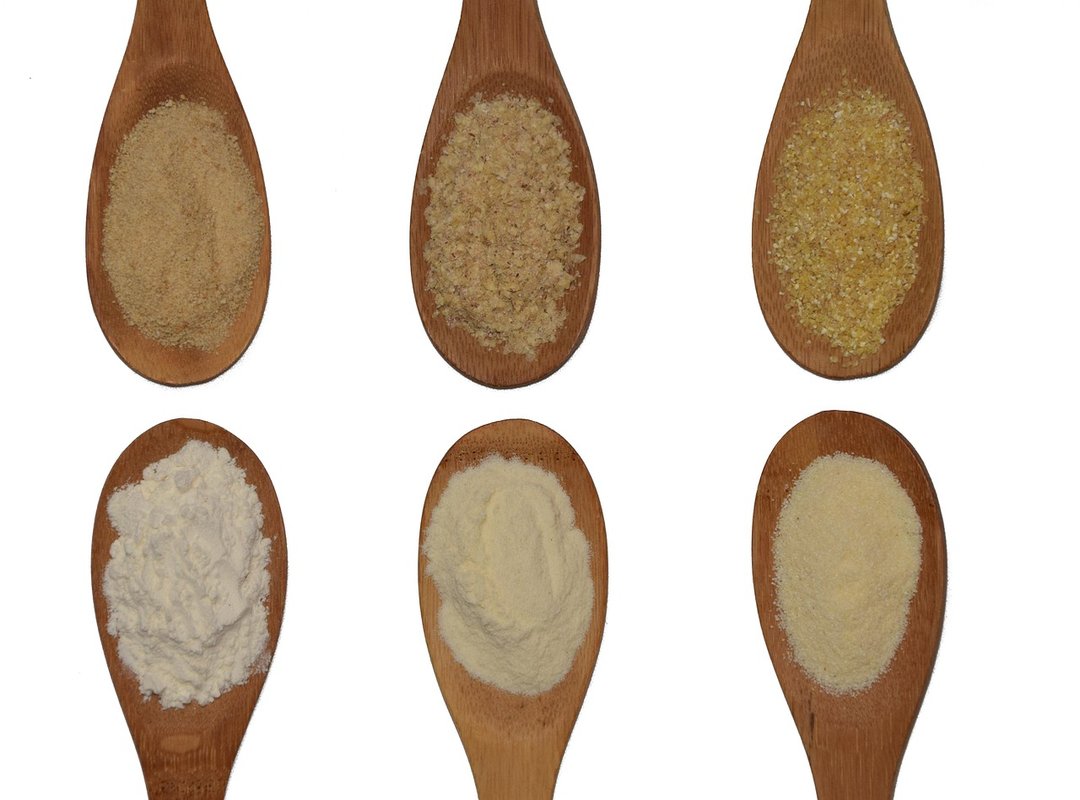
Fine Corn Flour: Pros and Cons
Fine corn flour is super smooth. It’s great for baking, giving you a light and airy texture in cakes and cookies. But it can be tricky to work with in recipes that need more structure, like bread.
Coarse Corn Flour: Pros and Cons
Coarse corn flour has a bit more grit. This makes it perfect for adding texture to dishes like cornbread or as a coating for fried foods. However, it’s not the best choice for delicate pastries where a fine texture is key.
Polenta: Pros and Cons
Polenta is coarser and has a distinct, grainy texture. It’s fantastic for making creamy polenta or as a side dish. But if you’re looking for something to blend seamlessly into a recipe, polenta might stand out too much.
Masa Harina: Pros and Cons
Masa harina is treated with lime and used in traditional Mexican dishes like tamales and tortillas. It gives a unique, slightly sweet flavor. The downside?
It’s not as versatile for general baking and cooking as other types of corn flour.
Comparison: When to Use Each Type
Choosing the right corn flour depends on your recipe and preferences. For a smooth, light texture, go with fine corn flour. If you need some texture, coarse corn flour is your friend.
Polenta is ideal for creamy, grainy dishes. And for that authentic Mexican flavor, masa harina is the way to go.
So, next time you’re in the kitchen, think about what you’re making and pick the right corn flour coles.
Recommendations for Specific Uses
Start with an anecdote about baking. I once made a cake that turned out so dense it could have been used as a doorstop. The corn flour I used was the culprit.
For cakes, cookies, and pastries, you want a fine, light corn flour. Brands like Bob’s Red Mill or King Arthur Flour work well. They blend seamlessly into your batter, giving you a light and fluffy texture.
When it comes to thickening, corn flour is a lifesaver. It’s perfect for sauces and gravies. Just mix a little corn flour with cold water before adding it to your hot liquid.
This prevents clumping and gives you a smooth, creamy consistency.
For frying, you need a coarser corn flour. It helps create that crispy, golden exterior we all love. Maseca is a popular choice.
It works great for batters and coatings, making your fried foods extra crunchy.
If you’re on a special diet, corn flour can be a game-changer. It’s naturally gluten-free, which is great for those with celiac disease or gluten sensitivity. For low-carb diets, while corn flour isn’t the lowest in carbs, it’s still a better option than wheat flour.
Corn flour coles is a good choice if you’re looking for a versatile, gluten-free alternative.
Pro tip: Always check the label for any additives or cross-contamination, especially if you have severe allergies.
Making the Right Choice
Recap the key points discussed in the article. The article explored various corn flour coles options, comparing their quality, price, and versatility. It highlighted the importance of considering dietary needs and preferences.
Final Recommendation: For the best overall corn flour option at Coles, choose the one that offers a balance of affordability and high quality. This ensures you get the best value for your baking and cooking needs.
Call to Action: Try out the recommended corn flour coles products and share your experiences with others. Your feedback can help fellow shoppers make informed decisions.
