You’ve been there.
Stuck in the same loop of thinking your pain defines you.
I know what you’re wondering. Is this all there is? Just surviving, not living?
It’s not weakness to feel hollow after hardship. It’s human. And it doesn’t have to stay that way.
Most advice tells you to “move on” or “be strong.”
That’s garbage. Real growth isn’t about bouncing back. It’s about bending into the weight.
And finding something solid underneath.
Psychology calls it post-traumatic growth.
I call it Beatredwar.
This isn’t theory.
I’ve seen it happen (again) and again. With people who thought they were broken beyond repair.
You’ll get a clear path. Not vague inspiration. Not toxic positivity.
Just steps that work.
Let’s begin.
Why Your Pain Needs a Plot Twist
I used to think healing meant forgetting the hard parts.
Then I learned about narrative identity (the) story you tell yourself about who you are and how you got here.
That story isn’t just background noise. It’s the lens you use to read every new email, every quiet moment, every setback.
If your story stops at “I got hurt,” it keeps looping. You become the character who waits for rescue. Not the one who chooses what comes next.
You’ve felt that, right? That flat, heavy feeling when nothing seems to add up?
We don’t just want relief. We want meaning. Especially after something breaks us open.
Redemption isn’t some spiritual bonus round. It’s basic human wiring. You look for the hinge (the) moment where the pain changed something in you.
Think of kintsugi. A cracked bowl, repaired with gold. The break doesn’t disappear.
It becomes the most visible part. Not a flaw, but proof of survival.
Same with us. The scar tissue holds weight. It tells people: *This mattered.
I stayed.*
That’s why I built this page. Not as a fix-all, but as a place to reassemble your story without pretending the cracks weren’t there.
Some people call it therapy. I call it editing.
You get to decide which parts stay raw (and) which ones get gilded.
No one hands you that pen.
You pick it up.
And write.
Step 1: Name the Story You’re Stuck In
I sit down with a pen and blank page. Not to fix anything yet. Just to name what’s already there.
What’s the exact sentence you say when you describe your biggest struggle? Not the polite version. The raw one.
The one you whisper at 2 a.m.
Write it down. Now underline it. That underlined sentence is your current operating system.
It runs everything (your) decisions, your silence, your anger, your exhaustion.
Who’s the villain in that sentence? Is it a person? A diagnosis?
A memory? Or is it just… time? (Because sometimes time feels like the real antagonist.)
What role do you play in that story? Victim? Survivor?
Witness? Saboteur? Don’t pick the “right” answer.
Pick the true one. Even if it’s messy.
Here’s what I know: pain doesn’t vanish when you ignore it.
And it also doesn’t shrink when you wear it like armor.
You don’t have to love the hurt.
But you do have to stop pretending it’s not shaping you.
This isn’t about rewriting history.
It’s about seeing how you’ve stitched meaning into the wound (and) whether that stitching still holds.
Most people swing between two traps: burying the memory or letting it run their life. Neither works. Neither lasts.
Integration means holding space for the hurt and your capacity to move. Not instead of. Not after.
But right now.
The goal isn’t to feel better tomorrow.
It’s to stop lying to yourself today.
Beatredwar isn’t a solution. It’s a signal (that) something in your story needs re-reading. Not erasing.
You don’t need permission to start. Just a pen. A minute.
And the guts to write the sentence you’ve been avoiding.
Rewriting Your Story: From Broken to Built
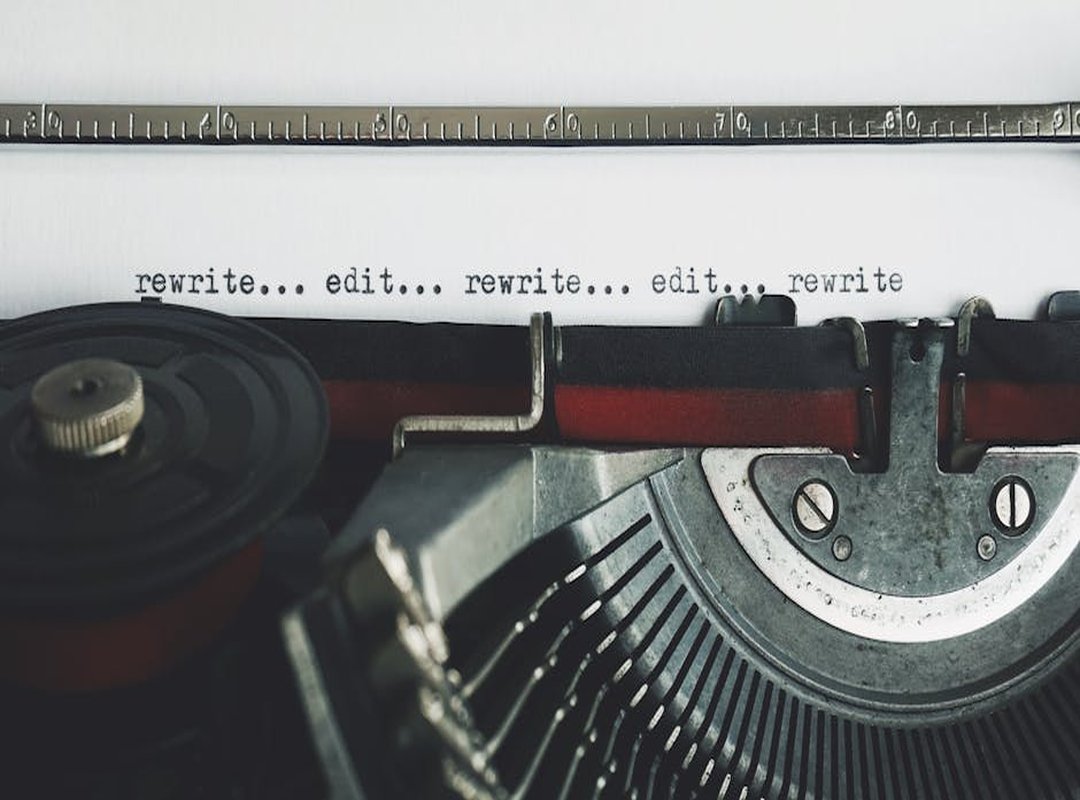
I used to think redemption meant erasing the mess.
Turns out it means rewriting it. Honestly, carefully, without flinching.
Redemptive storytelling is not spin. It’s not slapping a happy face on grief. It’s naming the wound and the scar tissue that formed around it.
You don’t have to like what happened.
You just have to stop letting it define your whole plot.
Step one: Name the before. Not the fantasy version. The real one.
What were you doing? Who were you trusting? What did “normal” feel like?
(Mine involved staying up late, pretending everything was fine.)
Step two: Sit with the turning point. That moment. Or slow collapse.
Where things cracked open. Job loss. Betrayal.
A diagnosis. A failure so loud it drowned out everything else. Like when I kept failing in Beatredwar.
Over and over (until) I finally asked: Why Do I Keep Failing in Beatredwar.
Step three: Name the after. Not “I’m fine now.” Not “It all worked out.” But: What did this cost me (and) what did it force me to grow?
Maybe you learned how to say no. Or how to spot red flags before they bloom.
Or that your worth isn’t tied to a title or a relationship.
Growth doesn’t cancel pain. They live in the same room. Sometimes the same sentence.
I didn’t “get over” my layoff.
I built a business because of it. Not instead of it.
You get to decide which parts of the story stay center stage. The rest? You can archive them.
This isn’t optimism. It’s accountability. To yourself.
Or burn them. Or rewrite them. Line by line.
Step 3: Turn Scars Into Service
I used to think healing was about forgetting.
It’s not.
It’s about using what hurt you. Not as proof you suffered, but as fuel for something real.
The person who clawed out of addiction? They don’t just understand withdrawal. They recognize the lie behind “just one more.”
That’s not theory.
That’s lived truth.
You hand them coffee. You remember how light felt like an insult on Tuesday morning.
Same with grief. You don’t comfort someone by quoting platitudes. You sit in silence.
That’s where Beatredwar lives. Not in the wound, but in the work that grows from it.
Mentor someone. Not because you’re polished. Because you’re still figuring it out.
And that’s exactly what they need.
Volunteer at a recovery center. Lead a support group. Write a blunt, unfiltered post in a private forum.
Or just listen (really) listen (when) your cousin says she’s drowning again.
None of this is about earning redemption. It’s about anchoring yourself in what matters now.
You’re not obligated to serve. But if you don’t, that hard-won wisdom gets dusty. Unused.
Forgotten.
I’ve watched people stall right here. Stuck between “I survived” and “so what?”
Don’t stall.
Your story isn’t done. It’s waiting for its next sentence.
And that sentence starts with showing up (messy,) imperfect, human.
Your Path to Redemption Starts Now
You’re tired of being boxed in by what you’ve been through.
I get it. That old story sticks like glue.
But here’s what changes everything: you don’t have to outrun your past. You get to use it.
Beatredwar isn’t about forgetting. It’s about seeing your struggle as raw material (not) a life sentence.
That shame? It taught you empathy. That failure?
It wired your resilience. That loss? It sharpened your priorities.
You’re not broken. You’re calibrated.
The person you are today (right) now (is) proof the work is already happening.
So ask yourself: what’s one lesson your hardest time gave you?
Take 10 minutes today. Write it down. That sentence is your first real line of freedom.
Not tomorrow. Not when you feel ready. Now.
