

You’ve seen it before. That fish labeled “hake” at the market. No idea which species.
No idea where it came from. No idea if it’s even hake.
I’ve stood on that same dock at dawn. Cold air. Wet nets.
Silver hake flashing under weak light. And beside me (not) a scientist in a lab coat, but a fisher who knows each scale pattern by touch. A chef who brines hake three ways.
A student counting otoliths in her kitchen.
That’s Thehakegeeks.
Not a club. Not a newsletter. Just people who care enough to ask hard questions about one fish.
I’ve spent years listening to them. Talking to biologists tracking spawning grounds. Watching small-scale fishers log catch data on paper notebooks.
Tasting hake in Lisbon, Valparaíso, Monterey (and) noticing how little gets shared across borders.
The problem isn’t lack of knowledge. It’s that the knowledge is scattered. Buried in journals.
Locked in portside conversations. Misfiled in seafood databases.
This article cuts through that. No jargon. No gatekeeping.
Just clear answers: which hake is which, why mislabeling happens, and how to tell real hake from the rest.
You’ll know what you’re holding. Before you buy it.
Hake Isn’t One Fish (It’s) a Mess
I used to think “hake” meant one thing.
I go into much more detail on this in Thehakegeeks.
Turns out it means five different fish (and) three imposters.
Merluccius productus lives off California and Baja. Big eyes. Slender body.
Chin barbel you can see.
Merluccius merluccius? That’s European hake. Same genus.
Different ocean. Slightly stouter. Also has that barbel.
Then there’s Urophycis tenuis (silver) hake. Not a Merluccius. A gadid.
No barbel. Slender. And yes, it’s sold as “hake” in US markets. Macruronus novaezelandiae is the blue grenadier.
New Zealand waters. Long tail. Soft dorsal fin that melts into the tail.
Real hake. Genypterus blacodes, the pink ling? Often called hake in Australia. Not even close genetically.
But the label sticks.
That barbel cue works: If it has a long chin barbel and soft dorsal fin that flows into the tail, it’s likely true hake (if) it’s slender with no barbel, it’s probably not.
Why does this matter? Because in a 2023 EU market audit, 22% of “hake” was actually ling or whiting. Regulators fined importers.
Chefs got mad. Consumers paid hake prices for cheaper fish.
This isn’t pedantry. It’s mislabeling with real consequences. You’re buying sustainability claims.
You’re trusting stock assessments. Both collapse if the species is wrong.
I’ve seen fisheries managers use the wrong data because someone typed “hake” into a spreadsheet without checking the genus.
This guide helped me stop guessing. Now I check the barbel first. Then the range.
Then the papers.
Skip the common name. Go straight to the Latin. Every time.
Why Hake? It’s Not Just Fish (It’s) a Mirror
I watch hake move. Every night they rise. diel vertical migration (up) to 500 meters. That’s deeper than the Empire State Building is tall.
They do it daily. No GPS. No map.
Just biology.
They grow fast. Mature in under two years. Most fish take longer.
Hake don’t wait. (Which makes them weirdly relatable.)
They also freak out over temperature. A half-degree shift changes where they spawn. Where they feed.
Even where they die.
That’s why scientists track them like weather balloons. Since the 1990s, volunteer observers logged catch locations and dates. Spawning windows slid earlier.
Catches drifted north. The data wasn’t clean. It was handwritten, sometimes smudged by saltwater (but) it held up.
A retired teacher in Galicia started counting hake at the Vigo fish market. Every Tuesday. For seven years.
Her notes flagged a stretch near Ría de Arousa where juveniles kept showing up. Turns out? A spawning hotspot.
Now it’s protected. Regional ordinance. Real impact.
You don’t need a lab coat to study hake. You can see them on piers. Weigh them at markets.
Log them in community apps.
That’s what fuels the obsession. Not mystery (accessibility.)
Thehakegeeks know this. They’re not hiding in journals. They’re on the docks.
In the water. In the data.
From Dock to Dish: How Cooking Choices Change Fish
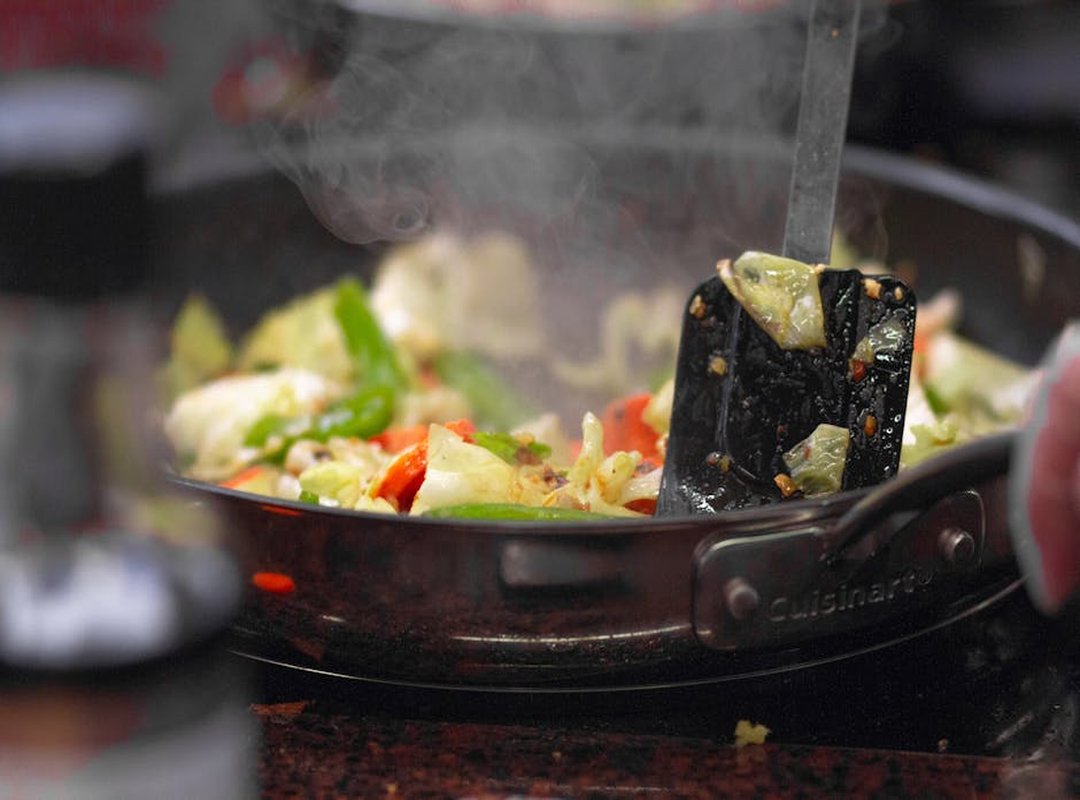
I’ve gutted hake on a Spanish dock. I’ve watched Chilean fishers hand-fillet congrio at dawn. I’ve fried hoki in Auckland with oil that sizzled just right.
I covered this topic over in Power Gaming-Daze Gaming Thehakegeeks Gaming Tips.
Each method tells you something real about the fish. And the people who catch it.
Spanish merluza al horno uses whole fillets, low heat, olive oil. It keeps the flesh tight. Chilean congrio frito needs thicker cuts (that) fish is leaner, dries out fast.
New Zealand hoki tempura? That batter sticks only because the fillet holds shape under high heat.
Boneless uniform fillets sell. Always have. But chasing that look pushes processing offshore.
And smaller fleets get squeezed out. Traceability vanishes. You don’t know where your hake swam last week.
That’s why I helped start the Hake Traceability Pledge. Chefs and fishmongers share origin data (no) audits, just honesty. Results from 2022. 2024 show traceable hake sells faster and commands better prices.
Sustainability isn’t one label. MSC-certified South African deep-water hake? Solid.
Gulf of Mexico stocks? Unassessed. No asterisks.
No shortcuts.
You want real impact? Ask where your hake came from (then) cook it like it matters.
Power Gaming-Daze Gaming Thehakegeeks Gaming Tips has a cheat sheet for sourcing seafood without the jargon.
Thehakegeeks isn’t a brand. It’s a reminder: every dish is a decision.
Joining the Hake Crowd: No Fluff, Just Facts
I joined Thehakegeeks because I got tired of guessing whether that “hake” on the menu was Merluccius productus or just mislabeled pollock.
Here’s what I use daily:
- FishBase pages filtered for Merluccius (they show jaw shape, gill raker counts (real) ID tools)
- NOAA’s Hake Stock Assessments dashboard (live updates, not press releases)
- iNaturalist’s ‘Hake Watch’ project (real people, real photos, real questions)
- FAO’s Hake Atlas PDF (yes, it’s 217 pages (skip) to the species comparison tables)
You’ll see fast that this crowd hates lazy language. Cite your source when posting a catch photo. Say observed or reported.
Don’t blur them. And never say “hake” alone. It’s Merluccius merluccius or Merluccius albidus (full) name, every time.
Your first week? Photograph one specimen. Or that fish taco.
Doesn’t matter. Just do it. Log location, species, size in iNaturalist.
Cross-check with FishBase key traits (look) at the dorsal fin base length. Then join one forum thread and ask something specific. Not “What’s hake?”.
Try “Why does NOAA list M. paradoxus as data-limited in Chile but not Peru?”
Don’t speculate on populations without quoting the stock assessment’s exact phrasing. That’s how trust breaks. I’ve seen threads die in 90 seconds over vague claims.
Just read the report. It’s shorter than you think.
Every Hake Tells a Story
I’ve seen how confusing hake info gets. Too technical. Too scattered.
Too sure of itself.
You wanted clarity. Not jargon. Understanding (not) gatekeeping.
Respect for the fish and your time.
So we cut the noise. Use species-specific language. Lean on open-data tools you can verify.
Show up with humility, not assumptions.
That path works. I’ve used it. You will too.
Your pain point? Wasting hours on unreliable sources. Thehakegeeks fixes that (it’s) the only place where every fact links back to real data, real scientists, real hake.
Pick one resource from section 4. Spend 15 minutes with it. Then post your first verified observation or question.
No pressure. No performance. Just listening.
Every hake tells a story. Your job isn’t to tell it for them, but to listen closely enough to hear it.
