

1.89 meters is equal to 6.20079 feet, or more practically, 6 feet and 2.41 inches.
That’s the quick answer. But I know you’re here for more than just a number. You want to understand the math behind it.
So, let’s break it down.
I’ll show you how to do this conversion yourself. It’s not rocket science. Trust me, by the end, you’ll be able to convert any measurement from meters to feet and inches without breaking a sweat.
Why does this matter? Well, you might need it for personal height, specifying dimensions for furniture, or even understanding measurements in international sports.
So, let’s dive in. You’ll have a complete understanding of the process, and you won’t need a calculator every time.
Breaking Down the Math: The Step-by-Step Conversion Formula
Let’s dive into the single most important number for this conversion: 1 meter = 3.28084 feet. This is your universal conversion factor, like a key to unlocking the door between metric and imperial units.
First step: Multiply the meters by 3.28084 to get the feet. For 1.89 meters, it looks like this:
Meters × 3.28084 = Feet
1.89 × 3.28084 = 6.20079 feet
The whole number ‘6’ represents the full feet. Think of it as the main character in our story.
Now, let’s handle the decimal part (0.20079). This is where we convert the remaining fraction into inches. Imagine you’re slicing a pie; the decimal is the slice you need to measure.
Here’s the formula:
Decimal × 12 = Inches
0.20079 × 12 = 2.40948 inches
Combine the two parts: 6 feet and 2.40948 inches. For practical use, round the inches to 2.41. So, 1.89 meters is 6 feet and 2.41 inches.
This two-step process—first multiply by 3.28074, then multiply the remaining decimal by 12—is the key to any meter-to-feet-and-inches conversion. It’s like following a recipe; once you know the steps, you can make it over and over again without a hitch.
Visualizing the Height: What Does 1.89 Meters Actually Look Like?
Trying to picture 1.89 meters (6’2″) can be a real head-scratcher. It’s one of those heights that sounds familiar but is hard to visualize.
Think about it this way: 1.89 meters is just a bit shorter than a standard interior doorway in the United States, which is typically 6’8″ or about 2.03 meters. So, if you stand next to a doorway, you’ll be almost as tall but not quite there.
In the world of sports and entertainment, 1.89 meters is the height of a well-known athlete like LeBron James. He’s a good reference point because most people know who he is.
For a more everyday comparison, imagine a tall refrigerator. Most fridges are around 1.8 meters tall, so 1.89 meters is just a little taller than that.
When it comes to personal height, 1.89 meters is considered pretty tall in most countries. In the US, for example, the average male height is around 5’9″, and the average female height is around 5’4″. So, at 1.89 meters, you’d definitely stand out in a crowd.
If we’re talking about room dimensions, 1.89 meters would be a very narrow width. You’d feel cramped in a room that wide.
To estimate 1.89 meters quickly, just picture a tall fridge and add a couple of inches. It’s a simple trick that works well.
So, the next time someone mentions 1.89 meters, you won’t have to guess. You’ll know exactly what they mean.
Why Two Systems? A Brief Look at Metric vs. Imperial
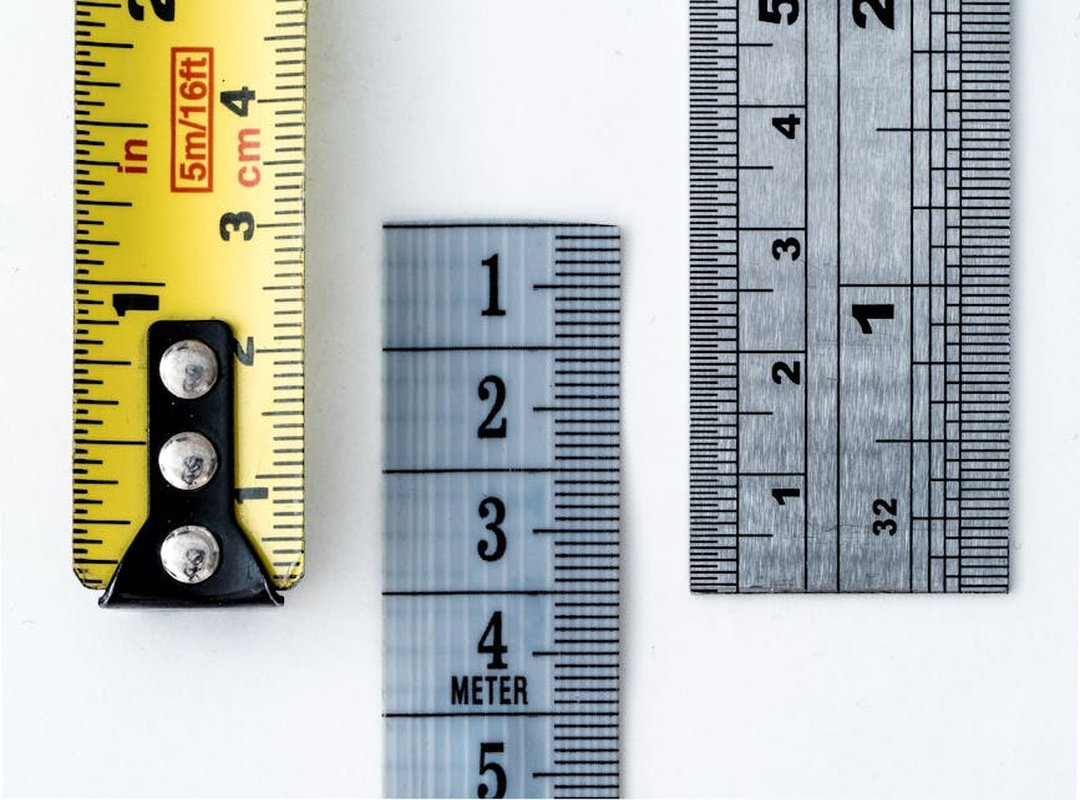
The metric system, or SI units, makes a lot of sense. It’s based on multiples of ten, which is easy to use in math and science. Simple and straightforward.
On the other hand, the Imperial system—feet, inches, pounds—has a long history. It originated from ancient traditions and was standardized by the British. It’s more complex but deeply ingrained.
In the U.S., we stick with the Imperial system, while most of the world uses metric. This duality can be a real headache, especially in fields like software development, engineering, and international trade where precision is key.
Take the Mars Climate Orbiter, for example. A mix-up between metric and Imperial units caused the spacecraft to burn up in the Martian atmosphere. A costly mistake.
Understanding both systems is crucial. Whether you’re coding a new app or working with international colleagues, you need to get your measurements right. 1.89 metres in feet is about 6.2 feet. Not a conversion you want to mess up.
By the way, if you’re into classic games, check out the best classic inspired arcade games play today. A little break from all the numbers.
Quick Reference Chart: Common Height Conversions
If you’re anything like me, you hate doing math on the fly. Especially when it comes to converting heights between meters and feet.
This chart is your new best friend. It makes quick work of those conversions without breaking a sweat.
| Meters | Feet (in decimal form) | Feet & Inches |
|---|---|---|
| 1.80 | 5.91 | 5′ 11″ |
| 1.85 | 6.07 | 6′ 1″ |
| 1.89 | 6.20 | 6′ 2″ |
| 1.90 | 6.23 | 6′ 3″ |
| 1.95 | 6.40 | 6′ 5″ |
Use this chart for quick estimations. No more fumbling with calculators or trying to remember the conversion formula. Just find the height in meters, and you’ll see the equivalent in feet and inches right next to it.
Bookmark this page. Trust me, it’ll save you time and frustration whenever you need to convert heights quickly.
Mastering Unit Conversions for Everyday Use
Understanding unit conversions is a handy skill. 1.89 meters converts to 6 feet and 2.41 inches, using the conversion factor of 3.28084.
While online converters offer quick results, knowing the simple formula behind these conversions is empowering. This knowledge proves useful in daily activities like online shopping, DIY projects, and even when dealing with international specifications in tech and sports.
Give it a try! Challenge yourself to convert another measurement you come across today.

 Christophere Goldenovelino is the kind of writer who genuinely cannot publish something without checking it twice. Maybe three times. They came to latest gaming news through years of hands-on work rather than theory, which means the things they writes about — Latest Gaming News, Esports Events and Highlights, Gaming Strategies and Tips, among other areas — are things they has actually tested, questioned, and revised opinions on more than once.
That shows in the work. Christophere's pieces tend to go a level deeper than most. Not in a way that becomes unreadable, but in a way that makes you realize you'd been missing something important. They has a habit of finding the detail that everybody else glosses over and making it the center of the story — which sounds simple, but takes a rare combination of curiosity and patience to pull off consistently. The writing never feels rushed. It feels like someone who sat with the subject long enough to actually understand it.
Outside of specific topics, what Christophere cares about most is whether the reader walks away with something useful. Not impressed. Not entertained. Useful. That's a harder bar to clear than it sounds, and they clears it more often than not — which is why readers tend to remember Christophere's articles long after they've forgotten the headline.
Christophere Goldenovelino is the kind of writer who genuinely cannot publish something without checking it twice. Maybe three times. They came to latest gaming news through years of hands-on work rather than theory, which means the things they writes about — Latest Gaming News, Esports Events and Highlights, Gaming Strategies and Tips, among other areas — are things they has actually tested, questioned, and revised opinions on more than once.
That shows in the work. Christophere's pieces tend to go a level deeper than most. Not in a way that becomes unreadable, but in a way that makes you realize you'd been missing something important. They has a habit of finding the detail that everybody else glosses over and making it the center of the story — which sounds simple, but takes a rare combination of curiosity and patience to pull off consistently. The writing never feels rushed. It feels like someone who sat with the subject long enough to actually understand it.
Outside of specific topics, what Christophere cares about most is whether the reader walks away with something useful. Not impressed. Not entertained. Useful. That's a harder bar to clear than it sounds, and they clears it more often than not — which is why readers tend to remember Christophere's articles long after they've forgotten the headline.